Trill
The term “trill” encompasses several distinct vocal phenomena, all sharing the characteristic of rapid periodic alternation. In its musical sense, a trill denotes rapid alternation between two distinct pitches, typically a whole tone or semitone apart, at rates exceeding 10 Hz. In vocal pedagogy and speech pathology, “trill” more commonly refers to articulatory trills—rapid vibration of the lips, tongue, or other structures produced by aerodynamic forces. These diverse phenomena share underlying principles of oscillatory mechanics while serving different functional and pedagogical roles.
Pitch-Alternating Musical Trill
The musical trill represents one of the most demanding vocal ornaments, requiring rapid alternation between two discrete pitches while maintaining vocal quality, intonation accuracy, and rhythmic precision. Unlike vibrato’s continuous modulation around a single pitch, the trill traverses distinct pitches with minimal time spent in transition.
Rate and Control Requirements
Musical trills typically occur at rates between 10-15 Hz, substantially faster than vibrato (5-7 Hz). This rapid rate demands exceptional neuromuscular coordination. The cricothyroid muscle must oscillate to produce fundamental frequency changes of 100-200 cents (1-2 semitones), requiring precise timing and amplitude of contraction-relaxation cycles.
At 12 Hz trill rate, each pitch receives only about 40 milliseconds of phonation before transition to the alternate pitch. The laryngeal adjustment time—the interval required for vocal fold tension and length to stabilize at new values—becomes critical. Singers must minimize adjustment time through practice, developing automated motor patterns that reduce central processing demands.
Pitch accuracy presents particular challenges. The singer must alternate between exact pitch targets without undershooting, overshooting, or introducing intermediate pitches. This requires:
- Precise proprioceptive feedback from laryngeal mechanoreceptors
- Well-established motor programs for specific pitch intervals
- Rapid integration of auditory feedback (though at 12 Hz, feedback delays exceed cycle duration)
- Coordination of respiratory support to maintain stable subglottal pressure
Physiological Mechanisms
The pitch-alternating trill depends primarily on cricothyroid oscillation. This intrinsic laryngeal muscle, responsible for vocal fold lengthening and longitudinal tension increase, must contract and relax rhythmically to produce the fundamental frequency changes.
The thyroarytenoid muscle may participate through reciprocal activity patterns—relaxing when cricothyroid contracts (for high pitch) and contracting when cricothyroid relaxes (for low pitch). However, the extreme rate challenges this reciprocal pattern; some singers may maintain relatively constant thyroarytenoid tension while cricothyroid alone produces the modulation.
Respiratory contributions to musical trills remain controversial. Some researchers detect subglottal pressure oscillations at trill rate, suggesting respiratory muscles participate. However, pressure variations may represent consequences rather than causes of the trill—the changing glottal resistance and acoustic loading at different pitches could produce pressure fluctuations even with constant respiratory drive.
Pedagogical Development
Voice teachers employ various strategies for developing trill capability:
Slow practice: Beginning with slow alternations (2-3 Hz), gradually increasing speed as motor control improves Scale fragments: Practicing trill intervals within scalar contexts before isolating them Single alternation: Perfecting one pitch change before attempting sustained alternation Model imitation: Listening to accomplished trillers provides motor templates Mental practice: Internal rehearsal of the motor sequence supports skill acquisition
Not all singers develop facility with rapid trills. Individual differences in laryngeal anatomy, muscle fiber composition, and neural control capabilities create variation in achievable trill rates. Some repertoire accommodates slower ornamental alternations when rapid trills prove unattainable.
Tongue Trill (Rolled R)
The tongue trill or “rolled R” (Spanish perro, Italian terra) exemplifies aerodynamic oscillation, where airflow forces produce rapid vibration of a lingual structure without active muscular oscillation.
Mechanical Principles
Tongue trills employ the Bernoulli principle: as airflow velocity increases through a constriction, pressure decreases. When the tongue tip approaches the alveolar ridge, creating a narrow channel, the resulting pressure drop draws the tongue toward the palate. Contact blocks airflow, pressure equalizes, and elastic recoil forces plus aerodynamic forces pull the tongue away, reinitiating the cycle.
This oscillatory mechanism requires:
- Optimal tongue position: Close enough for Bernoulli forces to apply, not so close that blocking prevents oscillation
- Appropriate tongue stiffness: Sufficient flexibility for oscillation, adequate rigidity to maintain general position
- Adequate airflow: Typically 200-400 mL/sec, higher than conversational speech
- Proper oral configuration: Lateral tongue-palate contact prevents air escape around the trill
Trill rates typically range from 20-30 Hz, much faster than musical trills, reflecting the tongue’s lower mass and greater stiffness compared to vocal fold structures.
Linguistic Distribution and Acquisition
Tongue trills occur as phonemes in numerous languages (Spanish, Italian, Russian, Arabic, many African languages) but present acquisition challenges. Many native speakers of trill-containing languages never master them, substituting approximants or taps. Individual anatomical variations—tongue frenulum length, tongue mass distribution, alveolar ridge shape—influence trill feasibility.
Non-native learners face particular difficulties, as the motor patterns must be acquired without childhood neural plasticity advantages. Practice strategies include:
- Mimicking motor sounds (vehicle engines, purring)
- Beginning with single taps, gradually increasing to sustained trill
- Experimenting with tongue position and airflow variations
- Using tactile feedback (feeling tongue vibration)
Pedagogical Applications in Singing
Voice teachers frequently employ tongue trills as vocal exercises regardless of the linguistic repertoire. The tongue trill exercise serves multiple pedagogical functions:
Breath-voice coordination: The sustained airflow requirement promotes steady respiratory support without excessive pressure Resonance awareness: The anterior placement creates vibrotactile sensations that singers can reference Tension release: The rapid oscillation may reduce excessive tongue or jaw tension by introducing movement incompatible with holding patterns Pitch exploration: Tongue trills can be performed while gliding through pitch range, combining trill benefits with range extension work
The semi-occluded vocal tract configuration during tongue trills creates favorable acoustic impedance, potentially reducing vocal fold collision forces while maintaining adequate vocal fold adduction.
Lip Trill (Bubble or Raspberry)
The lip trill applies similar aerodynamic principles to the lips, producing rapid oscillation at 15-30 Hz. Also termed “bubbles” or “lip buzz,” this exercise has become nearly ubiquitous in contemporary vocal pedagogy.
Biomechanical Characteristics
Lip trills require:
- Relaxed lip posture allowing free movement
- Slight lip protrusion and loose contact
- Sustained oral airflow (200-500 mL/sec)
- Relatively closed mouth with relaxed cheeks
The oscillating lips create a semi-occluded vocal tract—the oral cavity remains largely closed with small, varying opening. This configuration elevates oral pressure, which back-propagates to increase supraglottal pressure near the glottis. The elevated supraglottal pressure reduces transglottal pressure (subglottal minus supraglottal), potentially decreasing vocal fold collision forces.
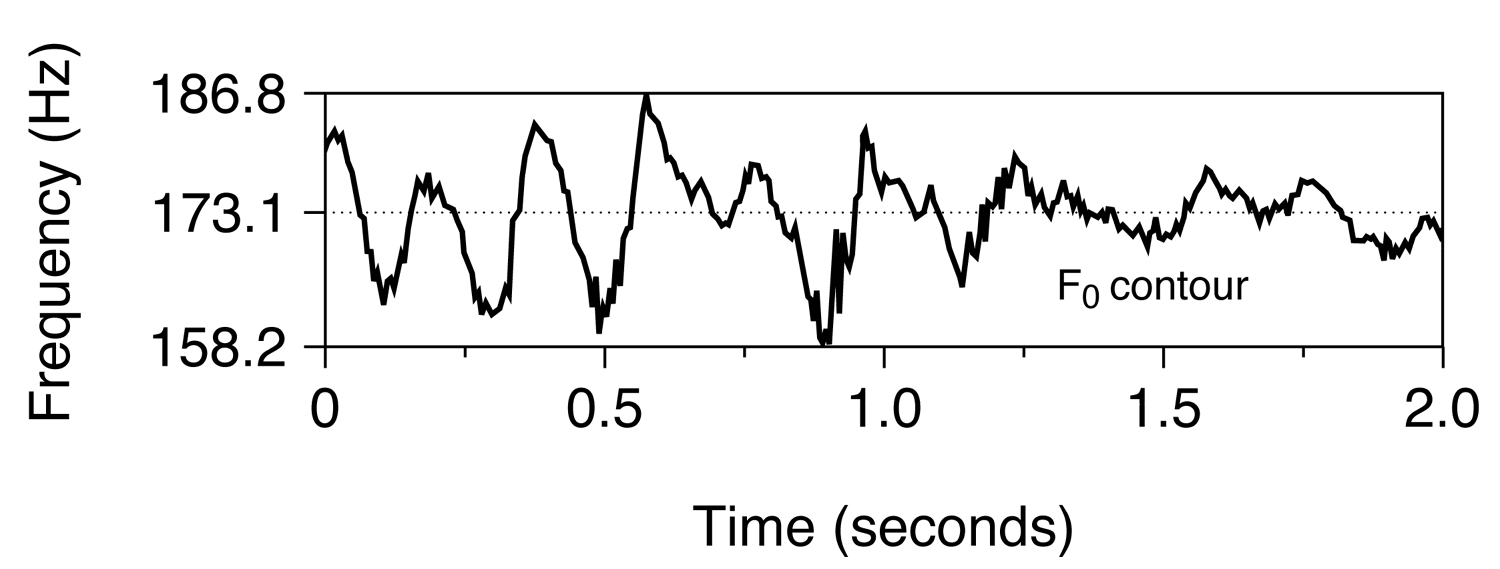 Figure 11.4: Aerodynamic and acoustic principles of semi-occluded vocal tract exercises including lip trills and tongue trills. The partial closure increases oral pressure, creating favorable conditions for efficient phonation.
Acoustic Characteristics
Lip trills produce distinctive acoustic patterns:
- Amplitude modulation: The varying lip opening modulates radiated sound intensity
- Formant modulation: The changing oral cavity configuration modulates formant frequencies
- Subglottal pressure fluctuation: Varying glottal resistance produces slight pressure oscillations
- Fundamental frequency stability: Despite modulations, F₀ remains relatively stable when properly executed
The perceived sound includes both the phonatory tone and the characteristic “buzzing” from lip vibration, creating a complex acoustic signal.
Pedagogical Functions
Voice pedagogues advocate lip trills for multiple purposes:
Warm-up exercises: The gentle semi-occlusion allows vocal fold vibration with reduced collision stress Range extension: Singers often achieve higher or lower pitches during lip trills than in open-vowel phonation Support training: The sustained airflow requirement develops respiratory control Laryngeal release: The exercise may reduce excessive laryngeal tension through multiple mechanisms Breath-voice coordination: The visible and tangible lip movement provides biofeedback about airflow steadiness
Research evidence supports reduced vocal fold collision forces during semi-occluded vocal tract configurations, lending credibility to the widespread pedagogical adoption. However, individual responses vary—some singers find lip trills beneficial, others struggle to produce or maintain them.
Clinical Applications
Speech-language pathologists employ lip trills in voice therapy, particularly for:
- Hyperfunctional voice disorders: The exercise may reduce excessive vocal fold adduction and supraglottic compression
- Vocal fold lesions: The reduced collision forces allow phonation during healing
- Pitch range limitations: The exercise may facilitate access to extended range
- Vocal fatigue: The efficient phonation mode may build endurance
The technique falls under the broader category of semi-occluded vocal tract exercises (SOVTE), which includes straw phonation, nasal consonant phonation, and other partially closed configurations.
Laryngeal Trill
The term laryngeal trill describes rapid vocal fold oscillation in absence of voiced pitch, producing a sound similar to snoring or the French uvular R. This represents vocal fold vibration under different aerodynamic conditions than normal phonation.
Mechanism and Characteristics
Laryngeal trills occur when vocal folds vibrate in a:
- Slightly abducted position (not fully closed)
- Relatively relaxed state (reduced longitudinal tension)
- With high airflow (creating aerodynamic driving forces)
The resulting vibration produces:
- Irregular periodicity (unlike voiced phonation’s regularity)
- Lower fundamental frequency than the speaker’s normal modal voice
- Prominent noise component from turbulent airflow
- Variable acoustic characteristics reflecting the unstable oscillatory pattern
This configuration resembles vocal fry in some respects but typically occurs at slightly higher frequencies (40-80 Hz vs. 20-50 Hz for vocal fry) with more airflow and less regular pulsing.
Pedagogical Controversy
Voice teachers disagree about laryngeal trill utility:
Advocates suggest it promotes:
- Vocal fold relaxation
- Awareness of laryngeal position
- Exploration of low-frequency phonation
- Release of excessive tension
Critics argue it:
- Reinforces inefficient phonatory patterns
- Creates potentially traumatic collision patterns
- Confuses the neuromuscular system with conflicting targets
- Serves no clear pedagogical purpose that other exercises cannot achieve more safely
The limited research on laryngeal trills provides insufficient evidence to resolve this debate definitively. Individual teacher philosophy and student response likely determine whether this exercise proves beneficial.
Motor Control and Neural Mechanisms
All trill types—musical, articulatory, and laryngeal—share underlying motor control principles, though implemented through different effector systems.
Central Pattern Generators
Oscillatory motor behaviors typically involve central pattern generators (CPGs)—neural circuits capable of producing rhythmic output without rhythmic input. CPGs govern walking, chewing, breathing, and likely contribute to vocal trills.
Evidence for CPG involvement includes:
- Ability to maintain trills without conscious attention to timing
- Resistance to disruption from sensory feedback delays
- Emergence of preferred frequencies matching system resonances
- Development of stable motor patterns with practice
The specific neural locations of vocal trill CPGs remain uncertain, likely involving cerebellar circuits, basal ganglia, and motor cortex regions responsible for laryngeal and articulatory control.
Feedback and Feedforward Control
Rapid trills challenge feedback control systems. At 20 Hz tongue trill rate, each cycle lasts 50 milliseconds, less than typical sensorimotor feedback delays (60-100 milliseconds). This timing mismatch necessitates feedforward control—motor commands based on internal models rather than sensory feedback.
Feedforward control requires:
- Accurate internal models of effector dynamics
- Precise timing mechanisms
- Error correction through practice-dependent model refinement
- Sensory feedback integration on slower time scales for overall regulation
The transition from feedback-dependent (slow, effortful) to feedforward-dependent (fast, automatic) control characterizes skill acquisition in trill production as in other motor domains.
Individual Differences
Substantial individual variation exists in trill capability across all types. Contributing factors include:
Anatomical: Tongue frenulum length, lip flexibility, laryngeal structure dimensions Neuromuscular: Muscle fiber type composition, motor unit recruitment patterns, synaptic efficiency Practice history: Previous exposure to similar motor patterns, musical training, language background Cognitive: Motor learning aptitude, proprioceptive acuity, attention capabilities
These differences mean some individuals acquire trills easily while others struggle despite extensive practice. Pedagogues must balance encouraging persistence with recognizing genuine limitations.
Resonance and Sensory Feedback
Trills provide rich sensory feedback that contributes to their pedagogical value beyond the direct mechanical effects.
Vibrotactile Sensations
The rapid oscillations produce strong vibrotactile sensations—the feeling of vibration in vocal tract structures. Singers report sensations in:
- Lips (lip trill)
- Tongue and alveolar ridge (tongue trill)
- Hard palate, nasal structures (with oral trills)
- Sternum, facial bones (resonance transmission)
These sensations provide proprioceptive targets that singers can reference in subsequent phonation. Teachers often encourage students to “remember that feeling” and seek it in open-vowel singing, though the transfer remains imperfect given the different configurations.
Acoustic Biofeedback
The audible characteristics of trills—their consistency, pitch stability, and ease of production—provide immediate acoustic feedback about technique quality. A lip trill that stops and starts irregularly suggests insufficient or unsteady airflow. A tongue trill that produces scraping sounds indicates excessive tension or improper positioning.
This immediate feedback loop supports motor learning, allowing rapid trial-and-error adjustment without instructor intervention.
Clinical and Research Applications
Beyond pedagogy, trills serve research and clinical assessment functions.
Aerodynamic Measurement
The oscillating structures in articulatory trills create time-varying flow resistance, enabling phonatory aerodynamic assessment. By measuring oral pressure during lip or tongue trills and applying appropriate models, clinicians can estimate:
- Subglottal pressure
- Glottal resistance
- Phonation threshold pressure
These measures provide objective indices of phonatory function useful in voice disorder assessment and treatment monitoring.
Therapy Techniques
Voice therapy increasingly incorporates SOVTE techniques including lip and tongue trills. Research demonstrates:
- Reduced vocal fold collision forces (through elevated supraglottal pressure)
- Increased vocal efficiency (improved economy of effort)
- Extended vocal range (facilitated pitch extremes)
- Reduced phonotrauma risk (allowing practice during healing)
Systematic application with proper instruction and monitoring supports therapeutic benefit for appropriate patients.
Skill Assessment
In singing pedagogy, trill capability—particularly musical pitch trills—serves as an index of vocal development. The demanding motor control requirements mean successful trill execution demonstrates:
- Advanced laryngeal control
- Refined proprioceptive awareness
- Well-developed motor programs
- Adequate practice and dedication
Voice teachers may use trill capability as one indicator of technical advancement, though not all musical styles require or value rapid trilling.
Summary
Trills encompass diverse phenomena unified by rapid periodic alternation. Musical trills require pitch changes exceeding 10 Hz through cricothyroid oscillation, demanding exceptional neuromuscular coordination and motor programming. Articulatory trills—tongue and lip—employ aerodynamic forces to produce passive oscillation at 15-30 Hz, serving important pedagogical functions in vocal training. These semi-occluded vocal tract configurations create favorable acoustic conditions, reducing vocal fold collision forces while maintaining vibration.
Tongue trills function both as linguistic phonemes in many languages and as vocal exercises promoting breath-voice coordination and resonance awareness. Lip trills have achieved near-universal adoption in contemporary pedagogy for warm-ups, range extension, and technique development. Laryngeal trills remain controversial, with uncertain pedagogical value. All trill types involve central pattern generators and feedforward motor control, explaining both their automaticity when skilled and the individual variation in acquisition difficulty.
The sensory feedback from trills—vibrotactile and acoustic—contributes to their pedagogical value by providing proprioceptive targets and immediate performance feedback. Clinical applications extend beyond pedagogy to include aerodynamic assessment and voice therapy, particularly within the semi-occluded vocal tract exercise framework. Understanding trill mechanics, functions, and applications informs both artistic training and clinical intervention.
Key Takeaways
- ✅ Musical trills alternate between distinct pitches at 10-15 Hz, requiring precise cricothyroid oscillation and exceptional motor control
- ✅ Tongue and lip trills employ aerodynamic forces producing passive oscillation at 15-30 Hz without active muscular cycling
- ✅ Semi-occluded vocal tract configurations during articulatory trills elevate oral pressure, reducing vocal fold collision forces
- ✅ Lip trills serve multiple pedagogical functions including warm-up, breath-voice coordination, and range extension
- ✅ Tongue trills promote resonance awareness and tension release while functioning as linguistic phonemes in many languages
- ✅ All trill types involve central pattern generators and feedforward control, explaining automaticity and individual variation
- ✅ Sensory feedback from trills provides proprioceptive targets and immediate biofeedback supporting motor learning
- ✅ Clinical applications include aerodynamic assessment and voice therapy within the SOVTE (semi-occluded vocal tract exercises) framework
Related Topics
Further Reading
- Titze, I. R. (2006). Voice training and therapy with a semi-occluded vocal tract: Rationale and scientific underpinnings. Journal of Speech, Language, and Hearing Research, 49(2), 448-459.
- Sundberg, J. (1987). The science of the singing voice. Dekalb, IL: Northern Illinois University Press.
- Guzman, M., Laukkanen, A. M., Krupa, P., Horáček, J., Švec, J. G., & Geneid, A. (2013). Vocal tract and glottal function during and after vocal exercising with resonance tube and straw. Journal of Voice, 27(4), 523.e19-523.e34.
- Story, B. H., Laukkanen, A. M., & Titze, I. R. (2000). Acoustic impedance of an artificially lengthened and constricted vocal tract. Journal of Voice, 14(4), 455-469.