Aerodynamic Sources
The aerodynamic forces driving vocal fold oscillation—subglottal pressure, transglottal airflow, and supraglottal acoustic loading—all exhibit inherent variability that manifests as voice perturbations. Understanding these aerodynamic sources requires considering the respiratory system as a complex pneumatic-acoustic system with multiple potential instability sources, from respiratory muscle control to turbulent flow phenomena in the glottis and vocal tract.
Lung Pressure Fluctuations
Subglottal pressure (Ps) provides the primary driving force for phonation. During sustained phonation, speakers attempt to maintain relatively constant pressure, yet measurements reveal fluctuations of 2-10% around the mean value even in healthy speakers during optimal conditions.
Sources of Pressure Variability
Multiple mechanisms contribute to subglottal pressure fluctuations:
Respiratory Muscle Control: The expiratory muscles (internal intercostals, abdominals) generate lung pressure through active contraction opposing elastic recoil forces. Motor unit recruitment variability in these muscles creates force fluctuations that propagate to pressure variations. With dozens of respiratory muscles each containing hundreds of motor units, the cumulative variability remains substantial despite some statistical averaging.
Cardiac Rhythms: The heartbeat creates rhythmic pressure oscillations throughout the vascular system, including pulmonary circulation. These cardiovascular pressure waves couple to air pressure in the lungs, creating pressure fluctuations at cardiac frequency (typically 60-100 beats/minute or 1-1.7 Hz). While small in magnitude (typically <1 cmH₂O), these oscillations are measurable and contribute to long-period modulations.
Respiratory Rhythm: Even during sustained phonation, the underlying respiratory rhythm continues. The neural drive to expiratory muscles may exhibit slow oscillations reflecting this rhythm, creating pressure modulations at respiratory frequencies (0.2-0.5 Hz during speech breathing). These slow modulations contribute to drift in fundamental frequency and intensity during long phonations.
Postural Adjustments: Body movements, even subtle postural shifts, alter chest wall mechanics and lung volume, affecting the pressure-volume relationship. These adjustments create transient pressure changes that may perturb phonation.
Pressure-Frequency Relationships
Subglottal pressure directly influences fundamental frequency through multiple mechanisms. Increased pressure raises medial compression force between vocal folds, increasing effective stiffness and thus raising F₀. Additionally, higher pressure increases airflow, strengthening aerodynamic forces that drive oscillation and potentially affecting vibratory mode.
Given these relationships, pressure fluctuations create F₀ perturbations. A 5% pressure variation might produce 2-3% F₀ variation in the absence of compensatory laryngeal adjustments. Speakers partially compensate through reflexive and voluntary laryngeal tension modulation, but compensation is incomplete, allowing residual pressure-induced perturbations.
Respiratory Muscle Tremor
Beyond random motor unit recruitment variability, respiratory muscles may exhibit pathological tremor—rhythmic oscillations in muscle activation producing corresponding pressure oscillations.
Essential Tremor Effects on Respiration
Essential tremor, while primarily affecting limbs and head, can involve respiratory muscles. Respiratory tremor produces rhythmic pressure modulations at tremor frequency (typically 4-8 Hz). Unlike higher-frequency neural noise, tremor creates spectral peaks at specific frequencies visible in pressure recordings and audible in voice output.
Respiratory tremor interacts with laryngeal tremor when both are present. If frequencies match, the tremors reinforce each other, producing pronounced voice modulation. When frequencies differ, complex beating patterns emerge, creating irregular-appearing modulation despite each component being regular.
Diaphragmatic Flutter
Diaphragmatic flutter represents a rare condition involving rapid rhythmic diaphragm contractions (1-10 Hz), often secondary to neurological conditions. This creates dramatic pressure oscillations that severely disrupt phonation. Unlike the slow respiratory rhythm, flutter occurs at frequencies within the vocal F₀ range, potentially creating acoustic interference patterns and making sustained phonation nearly impossible.
Turbulent Flow Effects
Airflow through the glottis transitions from laminar to turbulent depending on glottal geometry, flow velocity, and Reynolds number. Turbulent flow introduces random velocity and pressure fluctuations that perturb vocal fold oscillation.
Reynolds Number and Turbulence
The Reynolds number (Re) characterizes flow regime:
Re = (ρ × v × L) / μwhere ρ is air density, v is flow velocity, L is characteristic length (glottal diameter), and μ is dynamic viscosity.
For Re < 2000, flow remains laminar with smooth streamlines. For Re > 4000, flow becomes fully turbulent with chaotic velocity fluctuations. Between these values, transitional flow exhibits intermittent turbulence.
During normal phonation, peak glottal velocities reach 50-150 m/s through minimal glottal areas of 0.01-0.1 cm². These conditions produce Reynolds numbers often exceeding 1000-2000, placing flow in transitional or turbulent regimes.
Turbulence-Induced Perturbations
Turbulent flow creates random pressure and velocity fluctuations across multiple time scales. High-frequency turbulence (>1000 Hz) contributes to acoustic noise but averages out over glottal cycles. Lower-frequency turbulent fluctuations (10-100 Hz) occur on timescales comparable to or slower than fundamental periods, creating cycle-to-cycle variations in aerodynamic forces driving oscillation.
These aerodynamic force variations manifest as both period (jitter) and amplitude (shimmer) perturbations. The irregular forces perturb oscillation timing and energy transfer, with effects depending on when during the cycle perturbations occur.
Subglottal Pressure Variations
Beyond overall lung pressure fluctuations, local subglottal pressure immediately below the glottis exhibits additional variability from acoustic resonances in the subglottal airways.
Subglottal Resonances
The trachea and bronchial tree form acoustic resonators with natural frequencies determined by airway dimensions. Typical subglottal tract resonances occur at approximately 600, 1200, and 1800 Hz. When vocal fold oscillation produces acoustic energy near these frequencies, resonances amplify specific harmonics.
This resonance interaction works bidirectionally: subglottal resonances not only filter the voice source but also create reactive forces on the vocal folds. These acoustic forces add to or subtract from the steady pressure, creating time-varying driving forces. When harmonic frequencies drift near subglottal resonances due to F₀ perturbations, the acoustic interaction forces fluctuate, potentially amplifying perturbations.
Pressure Wave Reflections
The open lungs present low acoustic impedance, while the closed glottis presents high impedance. This impedance mismatch creates pressure wave reflections in the subglottal tract. The interference between incident and reflected waves creates standing wave patterns with pressure antinodes and nodes.
Vocal fold position relative to these pressure patterns affects the driving pressure. Small variations in glottal area or F₀ alter the acoustic wavelength and thus the standing wave pattern, creating variable pressure environments for oscillation. This acoustic coupling introduces additional perturbation sources beyond simple steady-flow aerodynamics.
Glottal Resistance Changes
The glottal resistance to airflow varies dramatically during each vibratory cycle and also exhibits longer-term fluctuations from neural control variability and biomechanical factors.
Cycle-to-Cycle Resistance Variations
Even during attempts at steady phonation, glottal resistance varies from cycle to cycle due to:
- Slightly different maximum glottal opening areas
- Variable closure completeness and duration
- Changing vocal fold surface properties (mucus distribution, hydration)
- Asymmetric oscillation creating irregular glottal geometries
These resistance variations alter the flow rate for given subglottal pressure. Flow variations affect acoustic amplitude (shimmer) and also influence oscillation mechanics through aerodynamic-tissue coupling, potentially affecting fundamental period (jitter).
Subglottal Pressure-Flow Relationships
The relationship between subglottal pressure and transglottal flow is nonlinear, approximately following:
Flow ≈ k × √(Pressure / Resistance)This square-root relationship means that resistance changes have greater impact at low pressures than high pressures. For soft phonation with low pressure and partially abducted folds, small resistance variations create proportionally larger flow variations than during loud phonation with high pressure and firm closure.
Aerodynamic-Acoustic Coupling
The separation between aerodynamic (flow-related) and acoustic (sound-related) phenomena blurs at the glottis, where these domains interact strongly. Aerodynamic-acoustic coupling creates feedback loops where acoustic phenomena affect aerodynamics and vice versa.
Acoustic Loading Effects
The vocal tract presents acoustic impedance that loads the glottal source. This acoustic loading affects both the acoustic output and the vocal fold oscillation mechanics. High vocal tract impedance (as during closed vowels with narrow constrictions) creates back-pressure on the glottis, effectively increasing the pressure the folds must work against.
Variations in vocal tract configuration—from articulatory movements, jaw opening changes, or resonance shifts—alter acoustic loading. These loading variations affect oscillation stability: optimal loading stabilizes oscillation, while extreme loading (very high or very low impedance) can destabilize vibration.
Source-Filter Nonlinear Interaction
Classical source-filter theory assumes independence: the vocal fold source produces a signal that the vocal tract filter shapes without back-interaction. This linear assumption breaks down when:
- Acoustic loading significantly affects oscillation mechanics
- Supraglottal pressures modulate effective driving pressure
- Formant-harmonic proximity creates resonant energy transfer
Nonlinear source-filter coupling means that vocal tract changes affect not just the spectrum of the output but also the source characteristics themselves. A formant sweeping through a harmonic during F₀ glides creates time-varying acoustic loading that perturbs oscillation, contributing to irregularities during pitch changes.
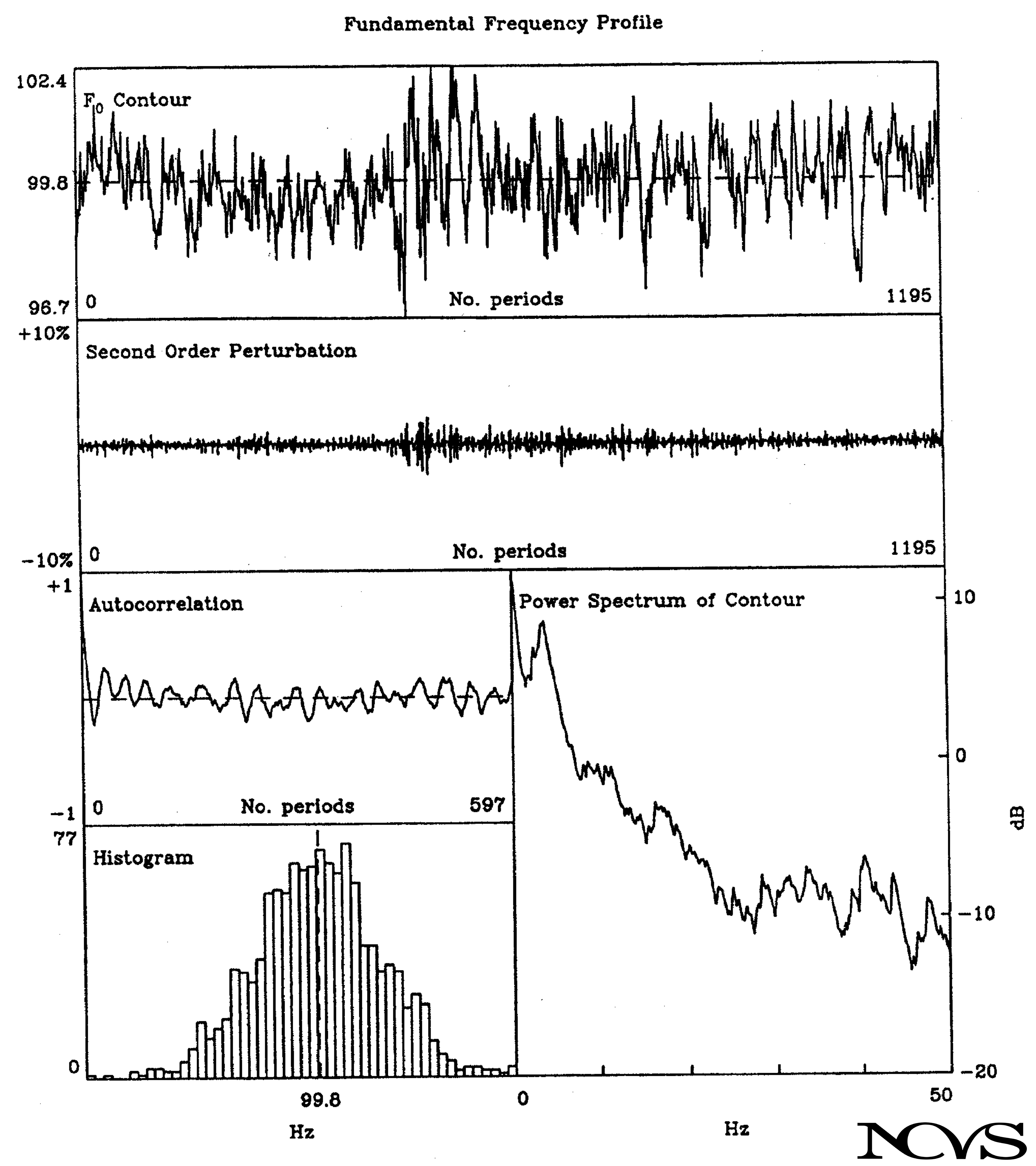 Figure 11.13: Illustration of aerodynamic and acoustic interactions in voice production, showing how pressure, flow, and acoustic impedance create complex coupling between subsystems.
Radiation Impedance Changes
The radiation impedance at the lips determines how efficiently acoustic energy propagates from the vocal tract to the surrounding air. This impedance depends on mouth opening, head orientation relative to reflecting surfaces, and acoustic frequency.
Lip Opening Variations
During speech, lip aperture varies continuously for different sounds. These variations alter radiation impedance, affecting both the spectrum of radiated sound and the acoustic loading experienced by the glottal source. Transitions between open and closed vowels, or between vowels and consonants, create transient perturbations as the system adjusts to new loading conditions.
Even during sustained vowels intended to have constant articulation, small jaw movements and lip adjustments create radiation impedance variations. These may appear minor acoustically but can affect oscillation stability through acoustic loading mechanisms.
Environmental Acoustic Factors
The acoustic environment—room reverberation, proximity to walls or other reflective surfaces, ambient noise—influences radiation impedance and thus loading effects. Speakers in highly reverberant spaces experience different acoustic feedback than those in anechoic conditions. While these effects remain subtle for most speakers under most conditions, they contribute to the overall perturbation landscape and may become significant for speakers with marginal vocal stability.
Summary
Aerodynamic sources of voice perturbation include lung pressure fluctuations from respiratory muscle control variability, cardiac rhythms, and underlying respiratory oscillations. Respiratory tremor creates rhythmic pressure modulations at 4-8 Hz that directly produce voice tremor. Turbulent glottal airflow introduces random force fluctuations across time scales relevant to vocal fold oscillation, contributing to both jitter and shimmer.
Subglottal acoustic resonances and pressure wave reflections create variable pressure environments affecting oscillation stability. Glottal resistance variations from incomplete closure, asymmetric oscillation, and surface property changes alter pressure-flow relationships cycle-to-cycle. Aerodynamic-acoustic coupling, source-filter nonlinear interactions, and radiation impedance variations create complex feedback systems where acoustic phenomena affect oscillation mechanics. These aerodynamic factors interact with neurological and biomechanical sources to produce the observed voice perturbations.
Key Takeaways
- ✅ Subglottal pressure fluctuates 2-10% during sustained phonation due to respiratory muscle variability, cardiac rhythms, and respiratory oscillations
- ✅ Respiratory tremor at 4-8 Hz creates rhythmic pressure modulations directly producing voice tremor
- ✅ Turbulent glottal flow with Reynolds numbers >2000 creates random aerodynamic force fluctuations contributing to perturbations
- ✅ Subglottal acoustic resonances (~600, 1200, 1800 Hz) create reactive forces on vocal folds varying with harmonic-resonance proximity
- ✅ Glottal resistance varies cycle-to-cycle from changing closure patterns, asymmetries, and surface properties
- ✅ Acoustic loading from vocal tract impedance affects oscillation mechanics; loading variations perturb stability
- ✅ Nonlinear source-filter coupling means vocal tract changes affect source characteristics, not just output spectrum
- ✅ Radiation impedance changes from articulatory movements and environmental acoustics influence oscillation through loading effects
Related Topics
Further Reading
- Titze, I. R. (1988). Regulation of vocal power and efficiency by subglottal pressure and glottal width. In O. Fujimura (Ed.), Vocal physiology: Voice production, mechanisms and functions (pp. 227-238). New York: Raven Press.
- Rothenberg, M. (1981). Acoustic interaction between the glottal source and the vocal tract. In K. N. Stevens & M. Hirano (Eds.), Vocal fold physiology (pp. 305-323). Tokyo: University of Tokyo Press.
- Zhang, Z., Mongeau, L., & Frankel, S. H. (2002). Experimental verification of the quasi-steady approximation for aerodynamic sound generation by pulsating jets in tubes. Journal of the Acoustical Society of America, 112(4), 1652-1663.
- Titze, I. R. (2008). Nonlinear source-filter coupling in phonation: Theory. Journal of the Acoustical Society of America, 123(5), 2733-2749.