Clinical and Pedagogical Issues
The principles governing vocal intensity control have profound implications for clinical voice therapy, singing pedagogy, and professional voice use. Understanding the mechanisms by which intensity can be regulated—through respiratory, laryngeal, and vocal tract adjustments—enables clinicians and teachers to guide individuals toward efficient, healthy, and sustainable voice production strategies.
The Role of Intensity in Communication
Linguistic and Paralinguistic Functions
Vocal intensity serves multiple communicative purposes beyond simply making oneself audible at a distance:
Linguistic Stress:
- Word-level stress patterns (emphasized syllables)
- Sentence-level prominence (focus words)
- Contrastive emphasis (“I didn’t say he STOLE it”)
Emotional Expression:
- Anger and excitement typically involve increased intensity
- Intimacy and tenderness often employ reduced intensity
- Emotional arousal generally correlates with intensity variation
Social Signaling:
- Authority and confidence conveyed through controlled intensity
- Submission or uncertainty may manifest as reduced intensity
- Interpersonal distance affects habitual intensity levels
Discourse Structure:
- Topic boundaries marked by intensity changes
- Questions versus statements distinguished partly by intensity patterns
- Turn-taking cues include intensity variation
Environmental Adaptation
Speakers automatically adjust vocal intensity based on:
Physical Distance:
- Close conversation (0.5-1 m): 55-60 dB SPL at 1 m
- Social distance (1-2 m): 60-65 dB SPL at 1 m
- Public address (>5 m): 70-80 dB SPL at 1 m
Background Noise: The Lombard effect describes the involuntary increase in vocal intensity in noisy environments:
- Moderate noise (60-70 dB): 3-6 dB intensity increase
- Loud noise (70-85 dB): 6-12 dB intensity increase
- Very loud noise (>85 dB): may exceed 12 dB increase
Chronic exposure to noisy environments (teachers, factory workers, restaurant staff) can lead to habitual hyperfunctional voice use and associated pathology.
Acoustic Characteristics:
- Reverberant spaces: May reduce intensity slightly
- Acoustically “dead” rooms: Tendency to increase intensity
- Outdoor versus indoor: Adaptation to lack of room reflections
Healthy Versus Harmful Intensity Production
The Pressed-Breathy Continuum
Voice quality exists along a continuum from maximally pressed to maximally breathy:
 Figure 9.12: The pressed-breathy continuum showing glottal configurations and associated vocal health risks. Optimal voice production typically occurs in the middle of this continuum.
Pressed Phonation (Hyperadduction):
- Characteristics: High adduction forces, prolonged closed phase, steep glottal closure
- Acoustic markers: Strong high-frequency harmonics, relatively high intensity
- Perceptual qualities: Strained, harsh, effortful
- Risks: Vocal fold trauma, nodules, polyps, hemorrhage, fatigue
Breathy Phonation (Hypoadduction):
- Characteristics: Incomplete closure, large glottal gap, continuous airflow
- Acoustic markers: Low harmonic-to-noise ratio, reduced high-frequency energy
- Perceptual qualities: Weak, airy, inefficient
- Risks: Compensatory hyperfunction, airflow depletion, reduced intelligibility
Optimal/Flow Phonation:
- Characteristics: Complete but gentle closure, Q₀ = 0.5-0.6, moderate adduction
- Acoustic markers: Rich harmonic spectrum, good harmonic-to-noise ratio
- Perceptual qualities: Easy, resonant, forward, “placed”
- Advantages: Maximum efficiency with minimum trauma risk
Collision Force and Vocal Trauma
The impact stress experienced by vocal fold tissues during each vibratory cycle depends on:
Biomechanical Factors:
Impact stress ∝ (Adduction force) × (Closure velocity)Risk Factors for Trauma:
- High subglottic pressure combined with hyperadduction
- Abrupt glottal closure (high closure velocity)
- Large vibration amplitude at high frequencies
- Prolonged duration (dose-time relationship)
- Inadequate hydration (increased tissue stiffness)
Dose-Response Relationship: Vocal fold injury develops from cumulative exposure:
- Acute trauma: Single episode of extreme phonotrauma (yelling, screaming)
- Chronic trauma: Repeated moderate impact over weeks to months
- Threshold model: Tissue can tolerate impact below certain threshold indefinitely
Intensity-Related Voice Disorders
Hyperfunctional Voice Disorders: Characterized by excessive laryngeal muscle tension and collision forces:
- Vocal fold nodules: Bilateral callous-like formations at midpoint of membranous vocal folds
- Polyps: Unilateral or bilateral fluid-filled lesions
- Contact ulcers/granulomas: Posterior glottal lesions from arytenoid contact
- Muscle tension dysphonia: Excessive tension without structural pathology
Common Contributing Factors:
- Habitual loud speaking (teachers, coaches, military)
- Background noise requiring intensity increases
- Personality factors (Type A, extroverted)
- Poor respiratory support leading to laryngeal compensation
- Inadequate vocal technique training
Hypofunctional Voice Disorders: Characterized by insufficient glottal closure:
- Vocal fold bowing: Age-related or neurological muscle atrophy
- Paralysis/paresis: Unilateral or bilateral vocal fold immobility
- Sulcus vocalis: Groove or depression in vocal fold edge
- Presbylarynx: Age-related changes affecting closure
Intensity Impact:
- Reduced maximum intensity capabilities
- Increased effort required for normal intensity
- Compensatory hyperfunction to achieve adequate loudness
- Social and occupational limitations
Resonant Voice Production
Concept and Characteristics
Resonant voice or flow phonation represents an optimal balance between acoustic effectiveness and physiological economy. The concept emerged from clinical observation and voice science research identifying a phonation pattern associated with:
- Easy, effortless voice production
- Strong vibratory sensations in anterior facial structures
- Good acoustic output with minimal laryngeal effort
- Low risk of vocal trauma
- Sustainable over long periods
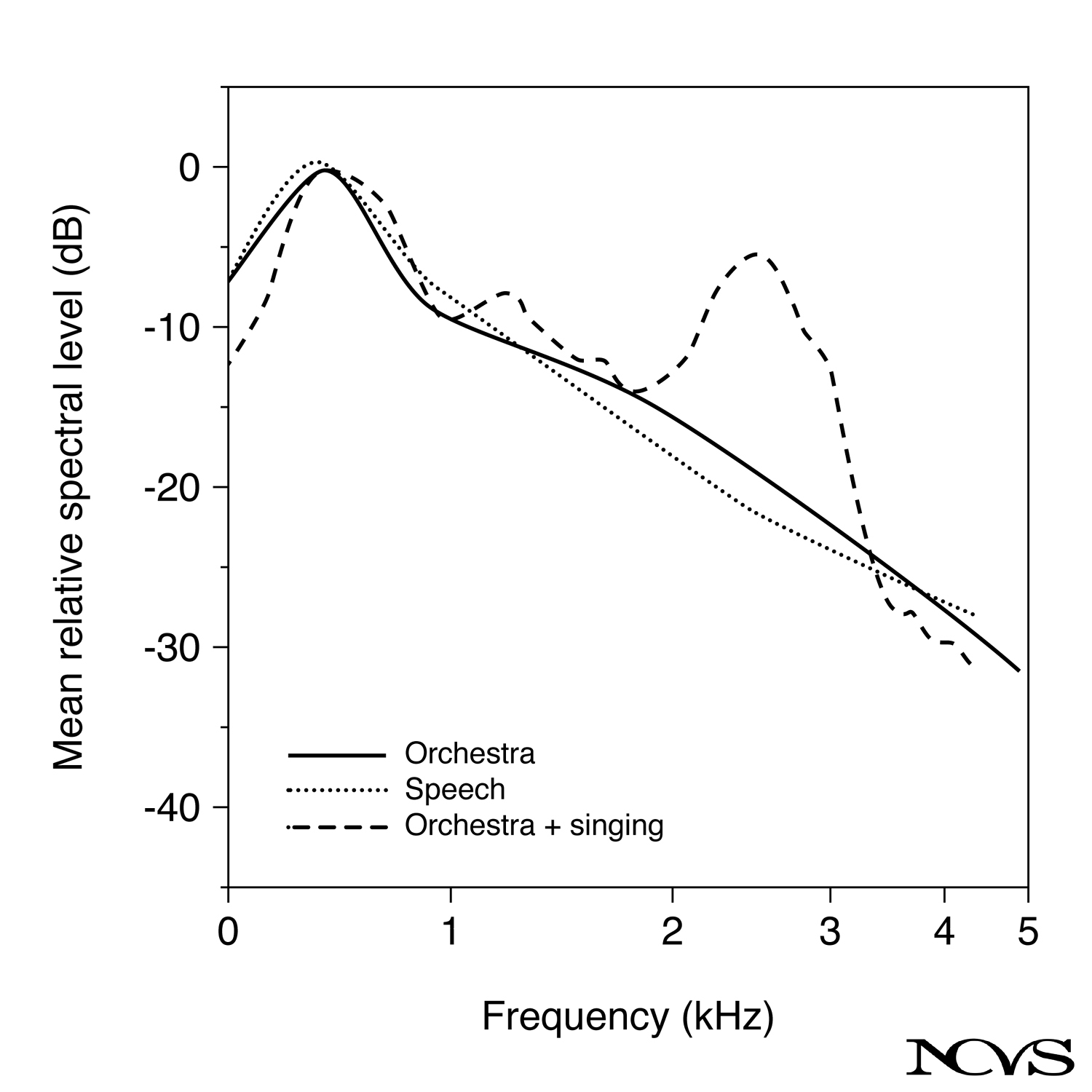 Figure 9.13: Comparison of glottal waveforms and perceptual characteristics for pressed, resonant, and breathy phonation, showing the optimal balance achieved with resonant voice.
Physiological Correlates
Research has identified specific physiological characteristics of resonant voice:
Glottal Configuration:
- Open quotient approximately 0.5-0.6
- Complete but gentle glottal closure
- Minimal medial compression
- Symmetric, periodic oscillation
Aerodynamic Parameters:
- Moderate airflow (100-200 mL/s typical)
- Appropriate subglottic pressure for intensity (not excessive)
- Good glottal resistance (not too high or too low)
- Balanced pressure-flow relationship
Acoustic Features:
- Rich harmonic spectrum
- Prominent energy in 2-4 kHz region
- Good harmonic-to-noise ratio
- Appropriate intensity for context
Perceptual Qualities:
- Forward placement or “mask” sensations
- Oral vibratory sensations
- Easy onset and offset
- Minimal effort perception
Clinical Application
Resonant voice therapy has proven effective for:
Hyperfunctional Disorders:
- Reducing excessive laryngeal tension
- Rebalancing respiratory-laryngeal coordination
- Establishing efficient glottal closure patterns
- Preventing recurrence after lesion removal
General Voice Improvement:
- Professional voice users seeking optimal technique
- Individuals with vocally demanding occupations
- Singers transitioning between registers
- Presbylarynx compensation
Therapeutic Techniques:
- Humming with focus on facial vibrations
- Sustained nasals with forward placement
- Pitch glides on nasal consonants
- Gradual transfer to connected speech
Y-Buzz and Call Techniques
Specific exercises target resonant voice production:
Y-Buzz Exercise:
- Sustained /j/ (as in “yes”) with vibrant facial sensations
- Emphasis on easy, flowing production
- Gradual progression to syllables: “yah,” “yay,” “you”
- Transfer to words and phrases
Call Technique:
- Simulating a natural “calling” voice
- Emphasis on projection without strain
- Engagement of resonance rather than force
- Application to speaking and singing contexts
Pedagogical Strategies for Intensity Control
Teaching Respiratory Support
Effective breath support forms the foundation for healthy intensity control:
Appoggio Concept: The Italian singing term describing optimal breath management:
- Active maintenance of inspiratory posture during phonation
- Controlled, gradual release of air
- Coordination of abdominal and thoracic muscles
- Steady subglottic pressure support
Common Errors:
- Clavicular breathing (shoulder raising)
- Abdominal gripping or rigidity
- Forced exhalation with excessive muscular tension
- Inadequate breath capacity for phrase lengths
Correction Strategies:
- Awareness training of breathing patterns
- Exercises emphasizing low, expansive inhalation
- Sustaining tasks with steady airflow
- Coordinating breath renewal with musical/linguistic phrasing
Developing Efficient Glottal Closure
Teaching optimal adduction without hyperfunction:
Conceptual Approaches:
- “Easy onset” exercises
- Glottal attacks versus breathy attacks versus balanced onset
- Imagery of vocal folds “kissing” rather than “slamming”
- Attention to throat openness and relaxation
Technical Exercises:
- Pitch glides across range
- Staccato exercises with light contact
- Messa di voce (crescendo-decrescendo on sustained pitch)
- Registration exercises to develop coordination
Biofeedback Tools:
- Electroglottography (EGG) showing contact quotient
- Acoustic analysis revealing spectral characteristics
- Airflow measures indicating closure adequacy
- Videostroboscopy for direct visualization
Optimizing Vocal Tract Resonance
Teaching formant tuning and resonance strategies:
Vowel Modification:
- Progressive vowel adjustments across pitch range
- Maintaining “core” of vowel while optimizing resonance
- Singer’s formant development in classical technique
- Stylistically appropriate modification strategies
Registration Management:
- Understanding chest, middle, and head voice characteristics
- Smooth transitions across range
- Appropriate registration choices for repertoire
- Balancing resonance across registers
Acoustic Space:
- Pharyngeal expansion for enhanced resonance
- Laryngeal position strategies (stable versus mobile)
- Tongue and soft palate adjustments
- Nasal versus oral resonance balance
Professional Voice Use
Occupational Voice Users
Different professions present specific challenges:
Teachers:
- Extended duration of voice use (5-7 hours daily)
- Background noise in classrooms
- Need for projection and clarity
- Risk factors: Lombard effect, inadequate amplification
Clergy:
- Large spaces requiring projection
- Weekly high-demand situations
- Emotional intensity affecting voice use
- Often inadequate acoustic design of worship spaces
Attorneys:
- Courtroom projection demands
- Extended argumentation requiring sustained intensity
- Stress and emotional factors
- Adversarial context promoting hyperfunction
Sales/Customer Service:
- Noisy environments (retail, call centers)
- Prolonged speaking with minimal breaks
- Telephone transmission limiting acoustic feedback
- Repetitive phrases promoting monotonous patterns
Performers
Classical Singers:
- Extreme intensity range requirements (pp to ff)
- Projection over orchestra without amplification
- Long practice and performance hours
- Career longevity concerns
Musical Theatre:
- Belt technique requiring high intensity
- Simultaneous singing and dancing
- Eight shows per week sustainability
- Stylistic demands versus vocal health
Contemporary Commercial Music:
- Microphone technique considerations
- Genre-specific vocal qualities
- Touring and recording schedules
- Balance between artistic authenticity and vocal health
Assessment and Intervention
Clinical Evaluation of Intensity Control
Perceptual Assessment:
- Comfortable loudness level
- Maximum and minimum intensity capabilities
- Intensity range across pitch range (VRP)
- Ability to vary intensity smoothly
- Effort and strain indicators
Acoustic Measures:
- Sound pressure level measurements (standardized distance)
- Dynamic range documentation
- Spectral analysis (harmonic structure, noise)
- Long-term average spectrum (LTAS)
Aerodynamic Assessment:
- Subglottic pressure estimation
- Airflow measures
- Glottal resistance calculation
- Efficiency estimates (when feasible)
Laryngeal Imaging:
- Videostroboscopy revealing closure patterns
- High-speed videoendoscopy for detailed analysis
- Observation of hyperfunction indicators
- Documentation of structural pathology
Intervention Approaches
Direct Voice Therapy:
- Establishing optimal respiratory-laryngeal coordination
- Resonant voice production training
- Intensity variation exercises without strain
- Transfer to real-world contexts
Indirect/Hygienic Interventions:
- Vocal hygiene education (hydration, rest, avoidance)
- Environmental modifications (amplification, noise reduction)
- Communication strategies to reduce vocal demand
- Stress management and general health
Surgical Considerations:
- Lesion removal when indicated
- Post-surgical voice therapy critical
- Prevention of recurrence through technique modification
- Realistic expectations about outcomes
Special Populations
Children
Developmental Considerations:
- High-intensity play vocalizations normal
- Yelling and screaming during play
- Peer group interaction patterns
- Difficulty with self-monitoring
Intervention Challenges:
- Age-appropriate explanations
- Motivation for behavior change
- Parental and teacher involvement
- Environmental modifications versus direct therapy
Aging Voice
Presbylaryngeal Changes:
- Reduced respiratory support capacity
- Vocal fold atrophy affecting closure
- Decreased maximum intensity
- Increased effort for given output
Compensation Strategies:
- Strengthening exercises (if appropriate)
- Resonance optimization
- Realistic intensity goals
- Amplification when beneficial
- Social participation maintenance
Gender Diverse Individuals
Voice Modification Goals:
- Intensity patterns differ between typical male and female speakers
- Feminine communication patterns often involve greater intensity variation
- Masculine patterns may involve more consistent, moderate intensity
- Individual goals guide therapeutic approach
Technical Considerations:
- Balancing pitch and intensity changes
- Maintaining vocal health during transition
- Realistic expectations for intensity capabilities
- Psychological and social aspects of communication
Summary
Clinical and pedagogical applications of intensity control principles enable more effective intervention for voice disorders and more efficient voice training for performers and professional voice users. Healthy intensity production involves a balance between acoustic effectiveness and physiological economy, typically achieved through optimal respiratory support, moderate glottal adduction, and strategic use of vocal tract resonance.
Resonant or flow phonation represents an ideal target for many clinical and pedagogical contexts, offering maximum acoustic output with minimum trauma risk and effort. Different professional voice users face specific challenges related to intensity control, requiring tailored approaches that consider duration of use, environmental demands, and stylistic constraints.
Effective assessment encompasses perceptual, acoustic, aerodynamic, and laryngeal imaging methods to characterize intensity capabilities and identify sources of dysfunction. Intervention strategies combine direct technique modification with indirect approaches addressing vocal hygiene, environmental factors, and behavioral patterns. Understanding the principles explored throughout this chapter enables clinicians and teachers to guide individuals toward sustainable, healthy, and effective voice use across diverse communicative and artistic contexts.
Key Takeaways
- ✅ Healthy intensity production balances acoustic effectiveness with physiological economy and long-term vocal health
- ✅ Pressed phonation increases trauma risk through high collision forces despite potentially high acoustic output
- ✅ Resonant or flow phonation (Q₀ = 0.5-0.6) represents optimal balance between output and safety
- ✅ Professional voice users face specific challenges requiring tailored intensity management strategies
- ✅ The Lombard effect causes involuntary intensity increases in noise, contributing to occupational voice disorders
- ✅ Effective respiratory support enables intensity control while minimizing compensatory laryngeal hyperfunction
- ✅ Vocal tract resonance optimization allows intensity increases without proportional aerodynamic power increases
- ✅ Clinical assessment of intensity should include perceptual, acoustic, aerodynamic, and imaging methods
Related Topics
- Variation of Intensity with Adduction, Lung Pressure, and F₀
- Variation of Intensity with Vocal Tract Adjustments
- Vocal Efficiency
- Vocal Fold Pathology
- Voice Disorders
Further Reading
- Verdolini, K. (2000). Resonant voice therapy. In J. C. Stemple (Ed.), Voice therapy: Clinical studies (2nd ed., pp. 46-62). San Diego: Singular.
- Titze, I. R. (2006). Voice training and therapy with a semi-occluded vocal tract: Rationale and scientific underpinnings. Journal of Speech, Language, and Hearing Research, 49(2), 448-459.
- Roy, N., Merrill, R. M., Gray, S. D., & Smith, E. M. (2005). Voice disorders in the general population: Prevalence, risk factors, and occupational impact. Laryngoscope, 115(11), 1988-1995.
- Stemple, J. C., Roy, N., & Klaben, B. K. (2014). Clinical voice pathology: Theory and management (5th ed.). San Diego: Plural Publishing.
- Miller, R. (1996). The structure of singing: System and art in vocal technique. New York: Schirmer Books.
- Sundberg, J. (1987). The science of the singing voice. DeKalb, IL: Northern Illinois University Press.
- Colton, R. H., Casper, J. K., & Leonard, R. (2011). Understanding voice problems: A physiological perspective for diagnosis and treatment (4th ed.). Philadelphia: Lippincott Williams & Wilkins.