The Call and Y-Buzz
The Call and Y-Buzz exercises represent important applications of semi-occluded vocal tract (SOVT) principles to developing safe, efficient vocal projection and resonance. These techniques, widely used in both voice therapy and singing pedagogy, exploit the acoustic benefits of partial vocal tract occlusion to reduce phonotrauma risk while simultaneously enhancing vocal intensity and resonant quality. Understanding the biomechanical and acoustic mechanisms underlying these exercises enables more sophisticated clinical and pedagogical application.
Semi-Occluded Vocal Tract Principles
Both exercises derive benefits from vocal tract semi-occlusion.
Acoustic Effects of Occlusion
Increased Inertive Reactance
Narrowing the vocal tract creates:
- Higher acoustic impedance at glottis
- Increased supraglottal pressure
- Reduced transglottal pressure for given subglottal pressure
- Easier vocal fold oscillation onset
- Lower phonation threshold pressure
- More efficient energy transfer
Impedance Matching
Semi-occlusion improves:
- Acoustic coupling between glottis and vocal tract
- Source-filter interaction
- Power transfer efficiency
- Reduces wasted aerodynamic energy
- Facilitates resonant voice production
- Optimal loading conditions
Biomechanical Benefits
Reduced Collision Forces
SOVT techniques produce:
- Lower impact stress on vocal folds
- Reduced collision velocity
- Decreased phonotrauma risk
- Gentler vocal fold contact
- Sustainable voice production
- Vocal health protection
Optimal Adduction
Semi-occlusion encourages:
- Moderate, balanced adduction
- Neither too light nor too pressed
- Efficient glottal configuration
- Automatic rather than forced adjustment
- Proprioceptive feedback enhanced
- Self-correcting mechanism
The Call Exercise
The Call simulates projecting voice to attract attention at distance.
Basic Technique
Execution
Call production involves:
- Imagine calling someone at distance (“Hey!” or “Hello!”)
- Natural projection without strain
- Forward resonance emphasis
- Open pharyngeal space
- Appropriate breath support
- Comfortable, sustainable effort
Acoustic Characteristics
Typical Call features:
- Moderate to loud intensity
- Enhanced high-frequency energy
- Clear harmonic structure
- Projection focus
- Resonant quality
- Comfortable pitch range (often mid-range)
Variations
Distance Simulation
Varying imagined distance:
- Near call: moderate projection
- Far call: increased projection
- Very far call: maximum sustainable projection
- Gradation builds dynamic control
- Maintains safety throughout
- Avoids shouting quality
Phonetic Variations
Different sounds:
- Open vowels (/a/, /ɔ/) initially
- Closed vowels (/i/, /u/) for variation
- Consonant-vowel combinations (/ha/, /hey/)
- Voiced consonants (hum, /v/, /z/)
- Progression to more complex patterns
- Individual preference and need
Therapeutic Applications
Voice Disorders
Call useful for:
- Hypofunctional voice (builds intensity safely)
- Muscle tension dysphonia (reduces excess tension)
- Vocal fold paralysis/paresis (encourages compensation)
- Post-surgical rehabilitation
- Presbylarynx (maintains function)
- Professional voice users (preventive)
Mechanism of Benefit
Therapeutic effects from:
- Optimal effort level (neither too much nor too little)
- Forward resonance focus
- Reduced laryngeal tension
- Enhanced breath-voice coordination
- Positive kinesthetic feedback
- Functional, meaningful context
Pedagogical Progression
Beginning Stages
Initial training:
- Demonstrate and model
- Short calls initially
- Comfortable pitch and intensity
- Focus on sensation
- Avoid strain or discomfort
- Build confidence
Intermediate Development
Expanding skills:
- Increase duration
- Vary intensity systematically
- Explore pitch range
- Add articulation complexity
- Functional contexts (phrases)
- Maintain quality throughout
Advanced Integration
Mature use:
- Incorporate into speech/singing
- Apply in performance contexts
- Automatic production
- Artistic/expressive variation
- Maintenance of gains
- Preventive vocal hygiene
The Y-Buzz Exercise
The Y-Buzz employs semi-occlusion through lip/tongue position.
Basic Technique
Execution
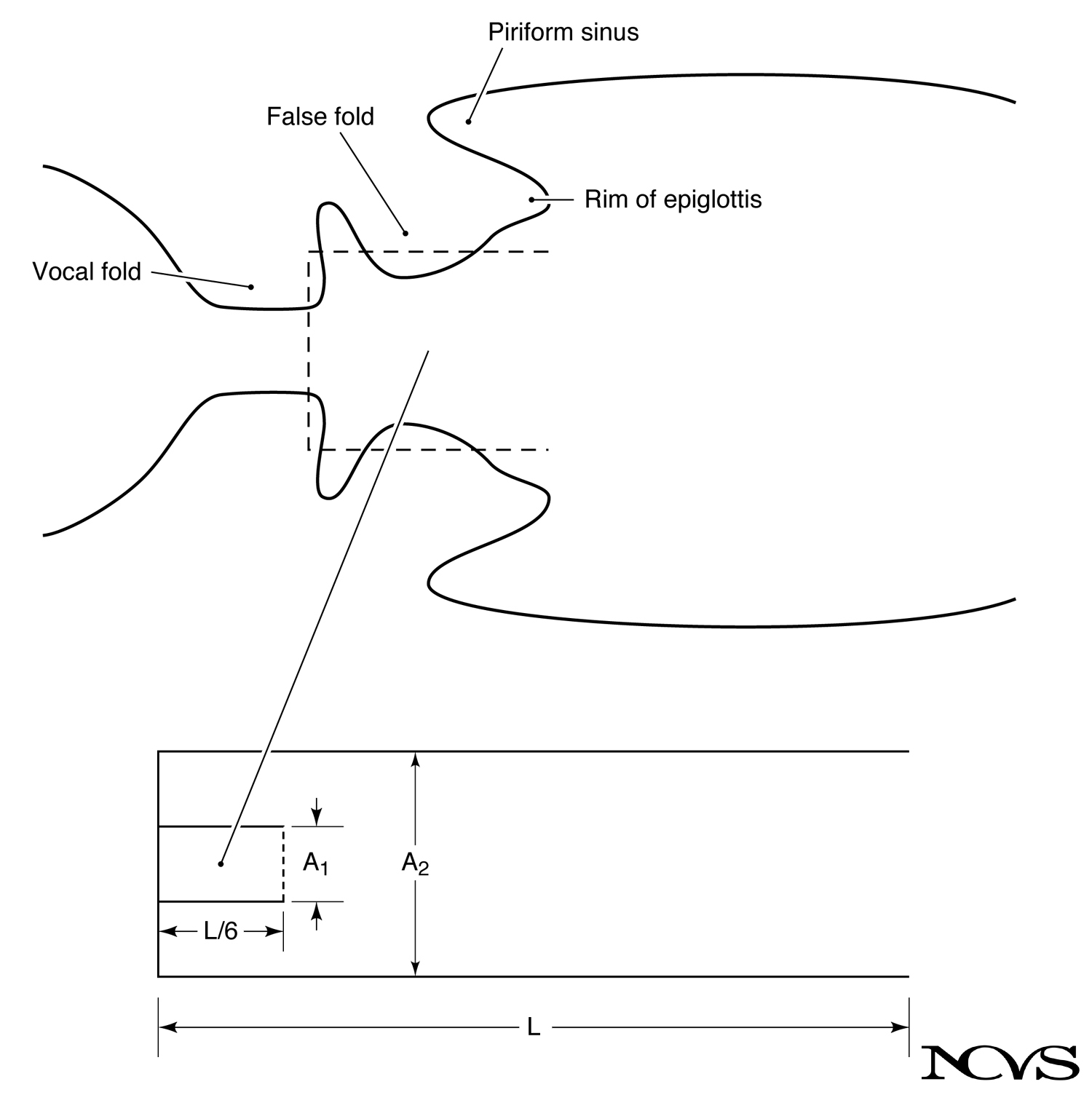 Figure 9.17: Diagram illustrating oral configurations for semi-occluded vocal tract exercises including Y-Buzz showing partial lip opening with elevated tongue position creating narrow anterior constriction that increases inertive reactance and supraglottal pressure for optimal phonatory conditions.
Y-Buzz production involves:
- Start with /i/ vowel position (high front tongue)
- Narrow lips to small opening (like /y/ in French “tu”)
- Produce sustained tone with buzz-like quality
- Feel vibrations in facial mask
- Maintain steady airflow
- Comfortable, forward sensation
Acoustic Characteristics
Y-Buzz features:
- Semi-occluded vocal tract resonance
- Enhanced supraglottal pressure
- Buzzing or “forward” sensation
- Clear harmonic structure
- Moderate intensity sufficient
- Resonant quality emphasized
Variations
Degree of Occlusion
Varying constriction:
- More open: less occlusion effect (easier)
- More closed: greater occlusion (more intense sensation)
- Optimize for individual
- Can vary during single exercise
- Build tolerance gradually
- Find comfortable range
Pitch Variations
Frequency exploration:
- Comfortable mid-range initially
- Gradual expansion to full range
- Glides (sirens) on Y-Buzz
- Scales and arpeggios
- Musical patterns
- Maintains benefits across range
Resonance Development
Forward Focus
Y-Buzz promotes:
- Sensation of “mask resonance”
- Reduces backward/pharyngeal tension
- Encourages efficient vocal tract configuration
- Perceptual anchor for resonant sensation
- Kinesthetic feedback valuable
- Carries over to open vowels
Formant Effects
Acoustic consequences:
- F1 raised by /i/ tongue position
- F2 also elevated
- Anterior constriction creates additional resonance
- Spectral brightness
- Singer’s formant region enhancement possible
- Projection without strain
Therapeutic Applications
Voice Therapy Uses
Y-Buzz beneficial for:
- Hyperfunctional voice (reduces excessive tension)
- Vocal fatigue (builds endurance safely)
- Pressed voice (encourages balance)
- Resonance disorders (develops forward placement)
- Post-nodule/polyp rehabilitation
- Professional voice conditioning
Mechanism of Action
Therapeutic benefits from:
- Optimal supraglottal pressure
- Reduced phonotrauma risk
- Enhanced proprioception
- Kinesthetic target establishment
- Generalization to speech/singing
- Efficient voice production model
Integration with Other Exercises
SOVT Family
Y-Buzz relates to:
- Lip trills (more occluded)
- Tongue trills (similar principle)
- Straw phonation (most occluded)
- Humming (fully occluded)
- Voiced fricatives (/v/, /z/)
- Progression and variation
Transfer to Open Phonation
Bridging exercises:
- Y-Buzz to /i/ to other vowels
- Maintaining resonance sensation
- Gradual opening
- Preserving efficiency
- Conscious awareness
- Systematic generalization
Biomechanical and Acoustic Mechanisms
Understanding why these exercises work informs clinical application.
Supraglottal Pressure Effects
Reduced Collision Force
Higher supraglottal pressure means:
- Smaller transglottal pressure difference
- Reduced driving force on folds
- Lower collision velocity
- Decreased impact stress
- Phonotrauma prevention
- Sustainable production
Facilitated Oscillation
Increased supraglottal pressure:
- Aids fold approximation
- Reduces phonation threshold pressure
- Makes voicing easier
- Particularly helpful for weak/impaired voices
- Self-sustaining once started
- Positive feedback for speaker
Acoustic Resonance Enhancement
Impedance Matching
Semi-occlusion creates:
- Optimal glottal impedance loading
- Enhanced power transfer
- More efficient acoustic output
- Reduced aerodynamic waste
- Maximum radiated power for effort
- Sustainable intensity production
Spectral Shaping
Vocal tract configuration influences:
- Formant frequencies
- Harmonic emphasis
- Overall spectral balance
- Projection characteristics
- Timbre quality
- Individual variation in optimal shape
Proprioceptive Feedback
Enhanced Awareness
SOVT exercises provide:
- Strong vibrotactile sensations
- Clear kinesthetic targets
- Immediate feedback about production
- Easier self-monitoring
- Facilitates learning
- Supports long-term maintenance
Kinesthetic Anchoring
Sensations serve as:
- Reference for efficient production
- Detection of maladaptive patterns
- Guide during rehabilitation
- Target in training
- Self-correction mechanism
- Embodied knowledge
Clinical Protocols
Systematic application in voice therapy.
Assessment for Appropriateness
Indications
Call and Y-Buzz appropriate for:
- Hyperfunctional voice disorders
- Hypofunctional disorders (modified approach)
- Vocal fatigue
- Post-surgical voice therapy
- Vocal fold lesions (after healing)
- Professional voice users
- Preventive voice care
Contraindications
Caution or avoidance when:
- Acute inflammation (defer exercises)
- Severe pain (address cause first)
- Active bleeding (medical management)
- Undiagnosed pathology (evaluation first)
- Patient inability to perform (adapt approach)
- Individual adverse reactions (discontinue)
Treatment Progression
Initial Sessions
Beginning therapy:
- Introduce concept and rationale
- Demonstrate exercises
- Practice with feedback
- Short duration initially (30 seconds)
- Focus on sensation not perfection
- Establish baseline
Middle Phase
Developing skill:
- Increase duration (up to 2-3 minutes)
- Vary parameters (pitch, intensity)
- Multiple repetitions
- Daily home practice
- Monitor for adverse effects
- Track progress
Late Phase and Generalization
Advanced stage:
- Integrate into speech/singing
- Functional contexts
- Reduce reliance on exercises
- Maintenance program
- Periodic reassessment
- Long-term vocal health strategies
Combination with Other Techniques
Multimodal Therapy
Integrating approaches:
- Call/Y-Buzz with respiratory training
- Combined with postural alignment
- Hydration and vocal hygiene
- Articulation exercises
- Resonance training
- Holistic voice rehabilitation
Pedagogical Applications
Use in voice training and singing pedagogy.
Building Vocal Stamina
Safe Intensity Development
For singers:
- Call builds projection without strain
- Y-Buzz develops endurance
- Progressive overload principle
- Maintains vocal health
- Prepares for demanding repertoire
- Foundation for advanced technique
Warm-Up Routines
Effective warm-up includes:
- Start with Y-Buzz (gentle, resonant)
- Progress to Call (more intensity)
- Transition to open vowels
- Systematic range expansion
- Total warm-up 10-20 minutes
- Individual needs vary
Resonance Training
Singer’s Formant Development
Y-Buzz particularly useful for:
- Establishing forward placement
- Developing “ring” or “squillo”
- Singer’s formant region emphasis
- Classical voice training
- Carries over to repertoire
- Acoustic efficiency
Avoiding Common Faults
Exercises help prevent:
- Excessive throat tension
- Posterior tongue root tension
- Harsh, pressed quality
- Breathy, unsupported tone
- Promote balanced, efficient production
- Self-correcting through feedback
Style and Genre Considerations
Classical Voice
Traditional application:
- Well-established in pedagogy
- Resonance emphasis
- Projection development
- Historical precedent
- Widely accepted
- Effective tool
Contemporary Commercial Music
Adaptation for popular styles:
- Modified intensity levels
- Different aesthetic goals
- But still useful for health
- Prevents abuse
- Builds control
- Flexible application
Research Evidence
Scientific support for SOVT exercises.
Biomechanical Studies
Reduced Vocal Fold Impact
Research demonstrates:
- Lower collision forces with semi-occlusion
- Confirmed via computational modeling
- High-speed videoendoscopy shows gentler contact
- Pressure measurements document reduced transglottal pressure
- Explains mechanism of benefit
- Supports clinical use
Clinical Outcome Studies
Efficacy Evidence
Studies show:
- Improved voice quality measures
- Increased maximum phonation time
- Reduced self-reported symptoms
- Enhanced vocal efficiency
- Sustained improvements
- Particularly effective for hyperfunctional disorders
Acoustic Analysis
Voice Quality Changes
Before/after analyses reveal:
- Reduced perturbation measures (jitter, shimmer)
- Improved harmonic-to-noise ratio
- Enhanced spectral balance
- Increased dynamic range
- Objective documentation of benefit
- Supports subjective reports
Practical Considerations
Implementation details for success.
Individual Adaptation
Customization
Exercises should be:
- Adapted to individual needs
- Modified for anatomical differences
- Adjusted for disorder type
- Varied for engagement
- Monitored for response
- Flexible application
Troubleshooting
Common problems and solutions:
- Excessive tension: reduce effort, check posture
- Inadequate effect: increase occlusion, check technique
- Discomfort: reduce duration, modify approach
- Difficulty: provide clearer instruction, use models
- Boredom: vary exercises, provide rationale
- Address barriers to success
Home Practice
Patient Education
Successful home program requires:
- Clear instructions (written + demonstration)
- Appropriate frequency (typically 2-3x daily)
- Realistic duration (5-10 minutes per session)
- Tracking progress (log or app)
- Problem-solving strategies
- Regular follow-up
Summary
The Call and Y-Buzz exercises exploit semi-occluded vocal tract principles to develop safe, efficient vocal projection and resonance through increased inertive reactance creating higher acoustic impedance at the glottis, elevated supraglottal pressure reducing transglottal pressure and collision forces, and improved impedance matching enhancing power transfer efficiency while lowering phonation threshold pressure. The Call simulates natural projection to attract attention at distance, producing moderate-to-loud intensity with enhanced high-frequency energy and forward resonance without strain, useful therapeutically for hypofunctional voice building intensity safely and hyperfunctional voice reducing excess tension, with pedagogical progression from short comfortable calls through varied intensity and pitch exploration to functional integration in speech and singing.
The Y-Buzz employs lip narrowing and elevated tongue position (/i/-like) creating anterior constriction that generates buzzing sensation with enhanced supraglottal pressure and resonance, particularly effective for developing forward focus and reducing pharyngeal tension while promoting singer’s formant region enhancement and spectral brightness without excessive effort. Both exercises reduce phonotrauma risk through decreased collision velocity and impact stress while providing strong vibrotactile proprioceptive feedback establishing kinesthetic targets for efficient production, making them valuable in voice therapy for hyperfunctional disorders, vocal fatigue, post-surgical rehabilitation, and professional voice conditioning, as well as singing pedagogy for safe intensity development, warm-up routines, and resonance training.
Research evidence demonstrates reduced vocal fold collision forces via computational modeling and high-speed imaging, clinical improvements in voice quality measures and maximum phonation time with sustained benefits particularly for hyperfunctional disorders, and acoustic changes including reduced perturbation, improved harmonic-to-noise ratio, and enhanced spectral balance. Successful implementation requires individual adaptation considering anatomical differences and disorder type, clear patient education for home practice typically 2-3 times daily for 5-10 minutes, integration with other therapeutic techniques in multimodal voice rehabilitation, and systematic progression from gentle initiation through skill development to functional generalization maintaining vocal health.
Key Takeaways
- ✅ Semi-occluded vocal tract increases supraglottal pressure, reduces transglottal pressure and collision forces, lowers phonation threshold
- ✅ Call exercise simulates natural projection developing safe intensity with forward resonance, useful for hypo/hyperfunctional disorders
- ✅ Y-Buzz uses lip narrowing and /i/ tongue position creating buzzing sensation, developing forward focus and resonance safely
- ✅ Both exercises reduce phonotrauma risk through decreased collision velocity while providing proprioceptive feedback for learning
- ✅ Research demonstrates reduced vocal fold impact, improved voice quality, and acoustic changes supporting clinical efficacy
- ✅ Therapeutic applications include hyperfunctional disorders, vocal fatigue, post-surgical rehabilitation, professional voice conditioning
- ✅ Pedagogical uses: safe intensity development, warm-up, resonance training, singer’s formant development in classical voice
- ✅ Implementation requires individual adaptation, clear education, home practice 2-3x daily, and integration with multimodal therapy
Related Topics
- The Hazards of Pressed Voice
- Intensity Versus Intelligibility
- Vocal Ring (Singer’s Formant)
- Phonation Threshold Pressure
- Vocal Tract Impedance
Further Reading
- Titze, I. R. (2006). Voice training and therapy with a semi-occluded vocal tract: Rationale and scientific underpinnings. Journal of Speech, Language, and Hearing Research, 49, 448-459.
- Story, B. H., Laukkanen, A. M., & Titze, I. R. (2000). Acoustic impedance of an artificially lengthened and constricted vocal tract. Journal of Voice, 14(4), 455-469.
- Guzman, M., Castro, C., Madrid, S., Olavarria, C., Leiva, M., Munoz, D., … & Bortnem, C. (2016). Air pressure and contact quotient measures during different semi-occluded postures in subjects with different voice conditions. Journal of Voice, 30(6), 759.e1-759.e10.
- Andrade, P. A., Wood, G., Ratcliffe, P., Epstein, R., Pijper, A., & Svec, J. G. (2014). Electroglottographic study of seven semi-occluded exercises. Journal of Voice, 28(2), 261.e1-261.e15.
- Sampaio, M., Oliveira, G., & Behlau, M. (2008). Investigation of the immediate effects of two semi-occluded vocal tract exercises. Pro Fono, 20(4), 261-266.