Vocal Efficiency
The concept of vocal efficiency addresses a fundamental question in voice production: How effectively does the vocal system convert the aerodynamic power supplied by the lungs into radiated acoustic power? While traditional efficiency calculations provide important insights, a complete understanding of vocal economy must encompass not only the ratio of acoustic to aerodynamic power, but also considerations of vocal health, longevity, and the perception of effort.
Defining Vocal Efficiency
Traditional Efficiency Measure
Glottal efficiency or phonatory efficiency is conventionally defined as the ratio of acoustic power output to aerodynamic power input:
η = P_acoustic / P_aerodynamicwhere:
- η = efficiency (dimensionless fraction or percentage)
- P_acoustic = radiated acoustic power (watts)
- P_aerodynamic = P_sub × U (subglottic pressure × mean airflow)
This ratio quantifies what fraction of the aerodynamic energy supplied by the respiratory system ultimately radiates as sound into the surrounding air.
Typical Efficiency Values
Measured vocal efficiency values are remarkably small:
Normal Speech:
- Quiet speech: 0.0001-0.001% (10⁻⁶ to 10⁻⁵)
- Conversational speech: 0.001-0.01% (10⁻⁵ to 10⁻⁴)
- Loud speech: 0.01-0.1% (10⁻⁴ to 10⁻³)
Trained Singing:
- Moderate intensity: 0.1-0.5%
- High intensity: 0.5-1.0%
- Maximum trained output: up to 2% (exceptional)
These values indicate that 99% or more of the aerodynamic power supplied by the lungs dissipates as heat rather than radiating as sound. Despite appearing inefficient, this level of conversion proves sufficient for effective communication and artistic expression.
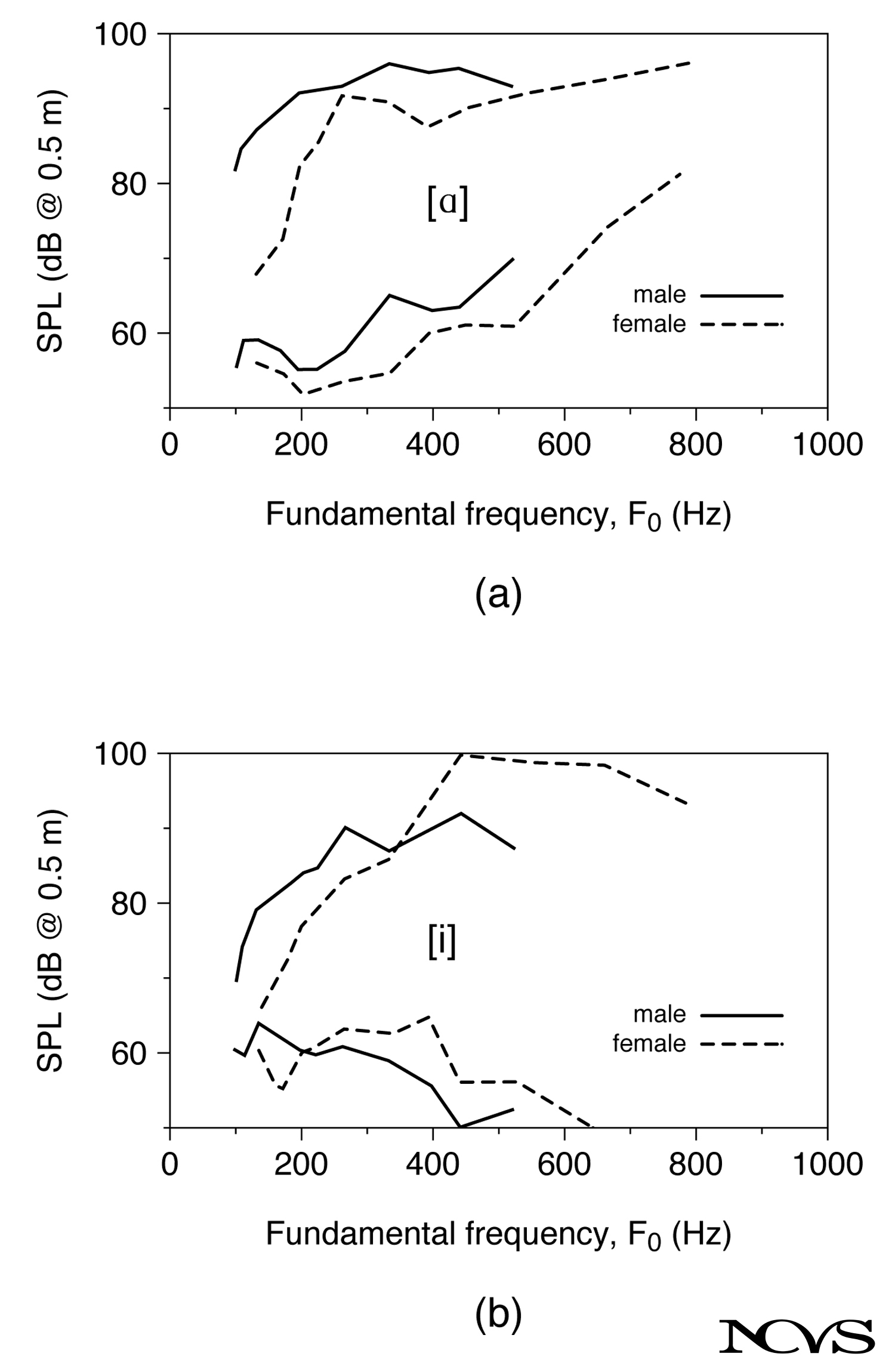 Figure 9.10: Energy flow diagram showing the conversion of aerodynamic power to acoustic power and the various losses that occur in the voice production system.
Factors Affecting Efficiency
Glottal Configuration
The shape and timing of glottal opening and closing critically influence efficiency:
Open Quotient (Q₀): Research using computational models has demonstrated that maximum efficiency occurs at Q₀ values of approximately 0.5-0.6:
- Q₀ too low (pressed phonation): Extended closed phase restricts airflow, reducing total power despite high pressure
- Q₀ optimal (0.5-0.6): Balance between airflow and pressure fluctuations maximizes acoustic output
- Q₀ too high (breathy phonation): Incomplete closure allows DC flow that carries no acoustic information
Maximum Flow Declination Rate (MFDR): The steepness of glottal closure affects spectral energy distribution:
- Steeper closures generate stronger high-frequency harmonics
- Gentler closures concentrate energy at lower frequencies
- Optimal closure rate depends on desired spectral characteristics and fundamental frequency
Vocal Fold Biomechanics
Tissue Properties:
- Stiffness: Stiffer vocal folds require more aerodynamic power to oscillate but can sustain higher frequencies
- Mass: Greater mass requires more energy to accelerate but stores more kinetic energy during oscillation
- Damping: Higher tissue viscosity dissipates more energy as heat, reducing efficiency
- Symmetry: Asymmetric properties cause irregular oscillation and reduced energy transfer
Mucosal Wave: A robust mucosal wave indicates:
- Appropriate tissue pliability
- Effective energy transfer from airflow to tissue
- Efficient conversion of aerodynamic to acoustic energy
Pathologies that stiffen the mucosa (scarring, edema, dehydration) typically reduce efficiency by impeding the mucosal wave.
Fundamental Frequency
Efficiency varies systematically with pitch:
Frequency Dependence:
- Very low frequencies: Lower efficiency due to large amplitude requirements and increased viscous losses
- Middle frequency range: Optimal efficiency for most speakers
- High frequencies: Decreased efficiency due to increased stiffness and threshold pressure requirements
F₀-Intensity Interaction: At any given frequency, maximum efficiency occurs at moderate intensity levels. Both very soft and very loud phonation tend toward lower efficiency due to suboptimal glottal configurations.
Supraglottal Effects
While efficiency is often calculated at the glottal level, supraglottal factors affect overall system efficiency:
Vocal Tract Resonances:
- Well-tuned formants enhance radiation of selected harmonics
- Poor formant-harmonic alignment wastes spectral energy
- Singer’s formant concentration of energy in high-sensitivity frequency region increases perceptual efficiency
Radiation Efficiency: Lower frequencies radiate less efficiently from the mouth opening due to the wavelength-to-aperture ratio. The radiation characteristic (6 dB/octave increase) favors higher frequencies.
Energy Losses in Voice Production
Sources of Power Dissipation
The 99%+ of aerodynamic power that does not radiate as sound dissipates through several mechanisms:
Tissue Viscosity:
- Internal friction within vocal fold tissue generates heat
- Damping of oscillation reduces energy available for sound generation
- Accounts for substantial fraction of total energy loss
Flow Turbulence:
- Turbulent airflow through the glottis creates broadband noise
- Turbulent energy dissipates as heat without contributing to periodic sound
- More prominent at higher flow rates and with incomplete closure
Vocal Tract Wall Vibration:
- Sound energy transmitted to vocal tract walls
- Absorbed by soft tissues
- Minimal radiation through neck and chest walls
Incomplete Closure Losses:
- DC flow component (steady air leak) carries aerodynamic power but no acoustic information
- More significant in breathy phonation
- Represents “wasted” airflow from acoustic perspective
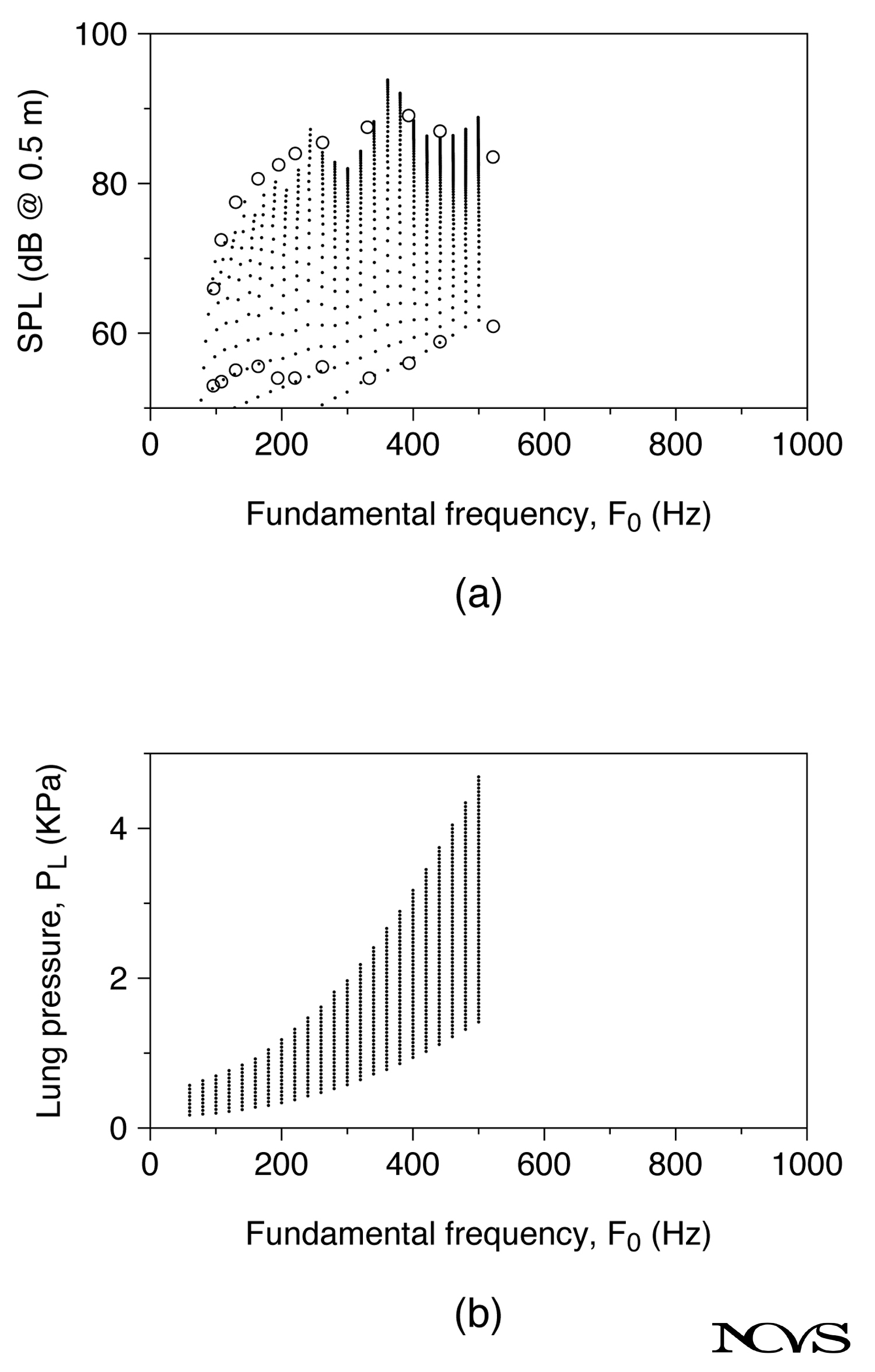 Figure 9.11: Breakdown of energy losses in voice production showing relative contributions of tissue viscosity, turbulence, wall vibration, and incomplete closure to the dissipation of aerodynamic power.
Quantifying Losses
Approximate distribution of aerodynamic power in normal phonation:
- Acoustic radiation: 0.01-0.1%
- Tissue viscosity: 40-50%
- Flow turbulence: 20-30%
- Wall absorption: 10-20%
- DC flow losses: 10-20% (varies greatly with voice quality)
These proportions shift with different phonation modes, fundamental frequencies, and intensities, but tissue viscosity consistently represents the dominant loss mechanism.
Efficiency Across Voice Qualities
Modal/Normal Phonation
Characteristics:
- Q₀ approximately 0.5-0.7
- Complete glottal closure during closed phase
- Moderate adduction force
- Typical efficiency: 0.01-0.1%
Optimization: Modal phonation at comfortable pitch and moderate intensity represents a balance between:
- Adequate acoustic output for communication
- Minimal physiological effort
- Sustainable over extended periods
- Low risk of tissue trauma
Pressed Phonation
Characteristics:
- Q₀ less than 0.5 (prolonged closure)
- High adduction forces
- Steep glottal closure
- Variable efficiency: can be high or low depending on other factors
Trade-offs: While pressed phonation may achieve high traditional efficiency values:
- Greater collision forces increase trauma risk
- Higher muscular effort required
- More fatiguing over time
- Associated with pathology development (nodules, polyps)
The “efficiency” gained acoustically comes at a cost in terms of vocal health and sustainability.
Breathy Phonation
Characteristics:
- Q₀ greater than 0.7 (incomplete closure)
- Low adduction forces
- Continuous airflow throughout cycle
- Typically low efficiency: 0.001-0.01%
Functional Context: Breathy voice serves communicative and artistic functions despite low efficiency:
- Conveys intimacy, vulnerability, or sensuality
- Stylistic choice in certain musical genres
- May be habitual or pathological
- Higher airflow consumption for given intensity
Flow Phonation (Resonant Voice)
Characteristics:
- Q₀ approximately 0.5-0.6 (optimal range)
- Moderate adduction
- Strong sensations of anterior facial resonance
- Good efficiency: 0.05-0.2%
Clinical Significance: Voice therapy often targets “flow” or “resonant” phonation as optimal:
- Balances acoustic output with minimal laryngeal effort
- Reduces risk of traumatic injury
- Sustainable over long durations
- Characteristic “forward placement” or “ease” of production
This represents efficiency in a broader sense—optimal output with minimal cost to vocal health.
Optimizing Vocal Efficiency
Respiratory Strategies
Breath Support:
- Maintaining steady subglottic pressure reduces need for excessive glottal resistance
- Controlled exhalation minimizes pressure fluctuations
- Adequate lung volumes prevent end-of-breath pressing
Pressure Regulation:
- Using appropriate pressure levels for desired intensity
- Avoiding excessive pressure that requires increased glottal resistance
- Matching pressure to glottal configuration for optimal coupling
Laryngeal Adjustments
Adduction Control:
- Finding the “sweet spot” of moderate adduction
- Avoiding hyperadduction (pressed) and hypoadduction (breathy) extremes
- Adjusting adduction appropriately for pitch and intensity demands
Registration:
- Using appropriate vocal register for pitch range
- Smooth register transitions minimize efficiency losses
- Proper register choice reduces unnecessary tension
Resonance Optimization
Formant Tuning:
- Aligning formants with strong harmonics maximizes perceptual impact
- Singer’s formant development enhances projection efficiency
- Vowel modification for optimal resonance at different pitches
Impedance Matching:
- Configuring vocal tract to optimize energy transfer from glottis
- Balancing inertive and compliant reactances
- Semi-occluded vocal tract exercises improve glottal-supraglottal coupling
Clinical and Pedagogical Perspectives
Efficiency as Assessment Tool
Clinical Measurement:
- Aerodynamic assessment (pressure-flow-sound)
- Efficiency calculations across pitch and intensity
- Comparison with normative data
- Tracking changes with therapy or pathology progression
Diagnostic Value:
- Very low efficiency suggests glottal incompetence or inefficient vocal tract configuration
- Asymmetric efficiency across pitch range may indicate register issues
- Changes in efficiency pattern can reveal developing pathology
Limitations of Traditional Efficiency
What Efficiency Doesn’t Capture:
- Vocal health: High traditional efficiency may accompany traumatic phonation
- Effort perception: Subjective ease doesn’t always correlate with measured efficiency
- Longevity: Sustainable voice use over hours/days/years
- Quality: Desirable timbral characteristics
- Flexibility: Ability to vary quality, pitch, and intensity
Broader Concept of Vocal Economy
A more complete framework considers:
Acoustic Effectiveness:
- Achieving required intensity and quality for communication/artistic goals
- Perceptual impact (loudness, clarity, expressiveness)
Physiological Cost:
- Muscular effort and fatigue
- Collision forces and trauma risk
- Respiratory demands
- Sustainability over time
Optimal Efficiency: Maximizes the ratio of acoustic effectiveness to physiological cost, which may not correspond to maximum traditional efficiency.
Efficiency in Special Populations
Trained Singers
Enhanced Efficiency: Professional singers demonstrate:
- Higher absolute efficiency values (0.5-2%)
- More consistent efficiency across pitch and intensity
- Better optimization of all three control levels (respiratory, laryngeal, resonance)
- Strategic choices about efficiency trade-offs
Training Adaptations:
- Increased mucosal wave amplitude
- Optimized glottal closure patterns
- Enhanced formant tuning abilities
- Superior respiratory control
Aging Voice
Age-Related Changes:
- Increased tissue stiffness reduces mucosal wave
- Muscle atrophy affects glottal closure completeness
- Reduced respiratory support limits pressure control
- Combined effects typically lower efficiency
Compensation Strategies:
- Vocal exercises to maintain flexibility
- Strategic use of resonance
- Appropriate intensity goals for capabilities
- Acceptance of realistic efficiency limitations
Voice Disorders
Pathology Effects:
- Masses (nodules, polyps): Disrupt vibration symmetry, reduce efficiency
- Scarring: Stiffens tissue, impedes mucosal wave, lowers efficiency
- Paralysis: Incomplete closure increases DC flow losses, dramatically reduces efficiency
- Muscle tension dysphonia: May show high traditional efficiency with poor vocal economy
Therapeutic Goals:
- Restore efficient glottal closure without excess force
- Optimize resonance to compensate for source limitations
- Reduce aerodynamic power demands
- Improve vocal economy holistically
Summary
Vocal efficiency, conventionally defined as the ratio of acoustic to aerodynamic power, typically ranges from 0.001% to 1% in normal voice production, with trained singers achieving values up to 2%. The vast majority of aerodynamic energy dissipates as heat through tissue viscosity, flow turbulence, wall absorption, and incomplete closure losses.
Maximum glottal efficiency occurs at open quotients of 0.5-0.6, representing a balance between adequate airflow and effective pressure modulation. However, traditional efficiency measures capture only one aspect of vocal performance. A broader concept of vocal economy considers acoustic effectiveness relative to physiological cost, encompassing vocal health, sustainability, and effort perception.
Optimal voice production maximizes communicative and artistic impact while minimizing trauma risk, fatigue, and long-term vocal damage. This optimization may not correspond to maximum traditional efficiency, particularly when pressed phonation achieves high acoustic output at the expense of vocal health. Understanding efficiency in this broader context enables more effective clinical intervention and more sustainable professional voice use.
Key Takeaways
- ✅ Vocal efficiency (acoustic/aerodynamic power ratio) typically ranges from 0.001% to 1%, with 99%+ of energy dissipating as heat
- ✅ Maximum glottal efficiency occurs at open quotients of 0.5-0.6, not with maximally pressed phonation
- ✅ Tissue viscosity represents the dominant energy loss mechanism, accounting for 40-50% of aerodynamic power
- ✅ Trained singers achieve higher efficiency values (0.5-2%) through optimized respiratory, laryngeal, and resonance strategies
- ✅ Traditional efficiency measures don’t capture vocal health, sustainability, or effort perception
- ✅ Optimal vocal economy maximizes acoustic effectiveness while minimizing physiological cost and trauma risk
- ✅ Flow or resonant phonation represents optimal efficiency in the broader sense, balancing output with vocal health
Related Topics
- Variation of Intensity with Adduction, Lung Pressure, and F₀
- Variation of Intensity with Vocal Tract Adjustments
- Clinical and Pedagogical Issues
- Myoelastic-Aerodynamic Theory
- Vocal Fold Tissue Structure
Further Reading
- Titze, I. R. (1992). Vocal efficiency. Journal of Voice, 6(2), 135-138.
- Schutte, H. K. (1980). The efficiency of voice production. Groningen: Kemper.
- Sundberg, J., Leanderson, R., von Euler, C., & Knutsson, E. (1991). Influence of body posture and lung volume on subglottal pressure control during singing. Journal of Voice, 5(4), 283-291.
- Verdolini, K., Druker, D. G., Palmer, P. M., & Samawi, H. (1998). Laryngeal adduction in resonant voice. Journal of Voice, 12(3), 315-327.
- Hertegård, S., Gauffin, J., & Lindestad, P. Å. (1995). A comparison of subglottal and intraoral pressure measurements during phonation. Journal of Voice, 9(2), 149-155.