Combined Intensity Changes with Lung Pressure and F0
The control of vocal intensity involves coordinated adjustments across multiple subsystems of the voice production mechanism. Rather than operating independently, changes in subglottal pressure, fundamental frequency, vocal fold adduction, and vocal tract configuration interact in complex, often multiplicative ways to determine radiated acoustic power. Understanding these integrated control strategies is essential for both explaining natural voice production patterns and developing effective therapeutic and pedagogical approaches.
Multi-Dimensional Control Space
Vocal intensity emerges from a multidimensional control space involving respiratory, laryngeal, and articulatory parameters.
Independent Control Variables
Primary Parameters
The major controllable variables include:
- Subglottal pressure (respiratory system)
- Fundamental frequency (laryngeal tension and mass)
- Vocal fold adduction (intrinsic laryngeal muscles)
- Vocal tract shape (articulatory configuration)
- Glottal configuration (medial compression, vertical level difference)
Each parameter can be adjusted somewhat independently, though biomechanical coupling constrains certain combinations.
Degrees of Freedom
While theoretically independent, these parameters exhibit:
- Physiological coupling (some adjustments facilitate others)
- Biomechanical constraints (certain combinations impossible or inefficient)
- Task-specific coordination patterns
- Individual variation in control strategies
- Training effects on coordination
Interaction Effects
Multiplicative Rather Than Additive
Intensity changes from combined adjustments exceed simple addition:
- Doubling pressure alone: approximately 2x power increase
- Doubling F0 alone: approximately 2x power increase
- Doubling both: approximately 4x power increase (multiplicative)
- Adding vocal tract tuning: further multiplicative enhancement
- Optimal adduction multiplies effects of other adjustments
Acoustic Basis
The multiplicative nature derives from:
- Source power proportional to pressure squared
- Source power proportional to F0
- Transfer function gain from vocal tract
- Each acts on output of previous stage
- Chain multiplication of effects
Respiratory-Laryngeal Coordination
The coordination between respiratory drive and laryngeal adjustments represents the most fundamental intensity control mechanism.
Pressure-F0 Coordination Patterns
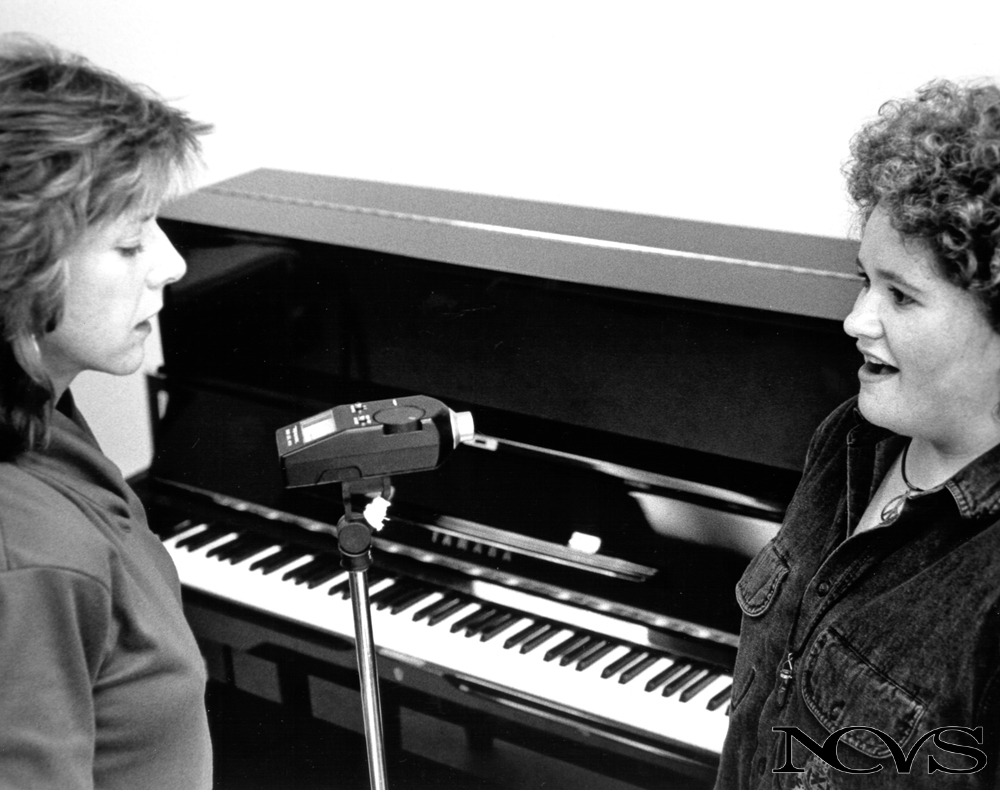 Figure 9.11: Coordination patterns between subglottal pressure and fundamental frequency during intensity changes, showing parallel increases for maximum efficiency versus alternative strategies that favor one parameter over the other.
Parallel Increase Strategy
Most efficient intensity increase involves:
- Simultaneous increase in pressure and F0
- Roughly proportional changes
- Maintains constant phonation threshold flow
- Optimizes glottal resistance
- Minimizes wasted airflow
Physiological Implementation
- Increased respiratory drive (expiratory muscle activation)
- Cricothyroid muscle contracts (lengthens and stiffens folds)
- Thyroarytenoid maintains appropriate tension
- Adduction level adjusts to maintain closure
- Coordinated activation pattern
Alternative Strategies
Different coordination patterns possible:
- Pressure increase with constant F0 (breathy intensity increase)
- F0 increase with constant pressure (less efficient, limited range)
- Sequential rather than simultaneous adjustments
- Task-dependent strategy selection
- Individual preferences and training effects
Adduction’s Modulatory Role
Adduction Level Effects
Vocal fold adduction modulates pressure-F0 relationship:
- Light adduction: high pressure needed for given intensity
- Moderate adduction: optimal efficiency
- Heavy adduction: restricted dynamic range, high effort
- Must adjust with pressure changes
- Maintains appropriate glottal resistance
Dynamic Adduction Adjustments
During intensity increases:
- Initial adduction increase to prevent breathy onset
- Maintained or slightly increased through intensity range
- Must prevent excessive tension at high intensities
- Balance between closure and compliance
- Critical for vocal health during loud phonation
Coordination Across Dynamic Range
Soft Phonation Strategy
For soft voice production:
- Minimal pressure (near phonation threshold)
- Lower F0 often preferred (but not always)
- Precise adduction control critical
- Light but complete closure
- Small amplitude oscillation
Moderate Intensity
Comfortable conversational level:
- Mid-range pressures (5-8 cm H₂O)
- Habitual pitch range
- Moderate adduction
- Efficient oscillation mode
- Minimal effort sensation
Loud Phonation
Maximum intensity production:
- High subglottal pressure (20-40 cm H₂O possible)
- Often elevated F0
- Strong adduction (but not pressed)
- Optimal vocal tract configuration
- Risk of hyperfunction if uncoordinated
Vocal Tract’s Contribution
Vocal tract configuration provides additional intensity modulation through resonance effects.
Formant Tuning Integration
Coordination with Source Adjustments
Formant tuning amplifies source-level intensity increases:
- Pressure and F0 increase source power
- Vocal tract tuning amplifies specific frequencies
- Combined effect can be dramatic (20+ dB possible)
- Particularly important at high F0
- Essential for maximum intensity in singing
Strategic Vowel Modification
During intensity increases, singers often:
- Open mouth wider (increases radiation, may tune formants)
- Modify vowel toward optimal configurations
- Adjust formant frequencies toward harmonics
- Use more open vowels in general for loud singing
- Coordinate with F0 and pressure changes
Impedance Matching
Source-Filter Interaction
Vocal tract impedance affects glottal behavior:
- High impedance at formant frequencies
- Increased supraglottal pressure
- Enhanced power transfer from glottis
- More efficient energy conversion
- Affects optimal adduction and pressure
Optimal Loading
Best intensity achieved when:
- Vocal tract presents appropriate impedance
- Matches glottal source characteristics
- Facilitates oscillation
- Maximizes power transfer
- Minimizes wasted energy
Frequency-Intensity Interaction
The relationship between F0 and intensity is not simply linear but involves complex interactions.
Natural Co-Variation
Tendency for Parallel Change
In natural speech and singing:
- F0 and intensity often rise together
- Reflects common physiological drive
- Increased respiratory effort tends to increase both
- Cricothyroid activation raises F0 and can increase intensity
- Learned coordination pattern
Perceptual Consequences
This natural coupling creates:
- Prosodic patterns in speech
- Dynamic expression in singing
- Emphasis and stress perception
- Emotional communication
- Aesthetic conventions
Independent Control
Separating F0 and Intensity
Trained speakers and singers can:
- Maintain constant F0 while varying intensity
- Change F0 with minimal intensity change
- Requires practice and awareness
- Conscious control overrides natural coupling
- Important for artistic expression
Techniques for Independence
Strategies include:
- Differential respiratory control (pressure adjustment)
- Precise adduction modulation
- Awareness of natural coupling tendency
- Biofeedback training
- Specific exercises targeting independence
Register Effects
Register adjustments interact with intensity control strategies.
Chest Voice
Intensity Control Characteristics
In chest register:
- Relatively straightforward pressure-intensity relationship
- Wide dynamic range possible
- Strong adduction natural to register
- Efficient intensity production
- Risk of pressed voice at high intensities
Optimal Strategy
- Moderate to strong adduction
- Proportional pressure and F0 increases
- Maintain pliable tissue
- Avoid excessive tension
- Monitor vocal effort
Head Voice and Falsetto
Different Coordination Requirements
In head voice/falsetto:
- Weaker source due to lighter adduction
- More dependent on vocal tract amplification
- Formant tuning more critical
- Higher F0 facilitates some tuning strategies
- Generally softer maximum intensity than chest voice
Compensatory Strategies
- Optimal vocal tract tuning essential
- May increase pressure more than in chest voice
- Precise adduction control critical
- Accept softer intensity or blend toward mixed voice
- Use resonance enhancement techniques
Mixed Voice
Balanced Coordination
Mixed register represents:
- Balance between chest and head mechanisms
- Intermediate intensity capabilities
- Flexible coordination strategies
- Good efficiency across range
- Smooth intensity control possible
Pedagogical Implications
Understanding combined intensity control informs teaching strategies.
Progressive Skill Development
Stage 1: Awareness of Variables
Initial training focuses on:
- Identifying individual parameters
- Experiencing each adjustment separately
- Understanding their individual effects
- Building conceptual framework
- Developing body awareness
Stage 2: Pairwise Coordination
Intermediate development:
- Practice pressure-F0 coordination
- Explore pressure-adduction relationship
- Develop F0-vowel modification connection
- Build coordinative patterns
- Establish efficient strategies
Stage 3: Integrated Control
Advanced mastery involves:
- Simultaneous multi-parameter adjustment
- Automatic coordination patterns
- Artistic manipulation of variables
- Compensation for environmental factors
- Sophisticated expression through control
Common Coordination Errors
Over-Reliance on Single Parameter
Problems arise when:
- Excessive pressure alone drives intensity (wasted air, strain)
- F0 varies excessively with intensity (prosodic distortion)
- Inadequate vocal tract optimization (inefficient)
- Must develop balanced strategies
- Training addresses imbalances
Poor Timing of Adjustments
Coordination timing errors:
- Pressure increase before adduction (breathy onset)
- Adduction increase before pressure (hard attack)
- Vocal tract adjustment delayed (suboptimal resonance)
- Must develop simultaneous or properly sequenced adjustments
- Practice with attention to timing
Excessive Tension
Common intensity-related tension:
- Over-adduction at high intensity
- Extrinsic laryngeal tension
- Jaw and tongue tension during vowel modification
- Must maintain appropriate tonus
- Focus on efficiency rather than force
Clinical Applications
Understanding combined control aids clinical assessment and treatment.
Diagnostic Assessment
Evaluation of Coordination
Clinicians should assess:
- Ability to vary pressure independently
- F0-intensity relationship across range
- Adduction patterns during intensity changes
- Vocal tract adjustment strategies
- Efficiency of combined control
Identifying Dysfunction
Common pathological patterns:
- Excessive pressure for given intensity (inefficient)
- Inability to separate F0 and intensity
- Inappropriate adduction patterns
- Maladaptive compensation strategies
- Imbalanced coordination
Therapeutic Strategies
Improving Coordination
Voice therapy targets:
- Developing awareness of individual parameters
- Establishing efficient coordination patterns
- Reducing compensatory maladaptations
- Building balanced control strategies
- Generalizing to functional communication
Specific Techniques
Useful approaches include:
- Semi-occluded vocal tract exercises (optimal impedance)
- Pitch glides with varied intensity (independence training)
- Intensity glides with constant pitch
- Respiratory-phonatory coordination exercises
- Resonance training with dynamic variation
Summary
Vocal intensity control emerges from coordinated adjustments across respiratory, laryngeal, and resonatory systems, with interactions that are multiplicative rather than additive in nature. The most efficient intensity increases involve parallel increases in subglottal pressure and fundamental frequency, with doubling of both parameters producing approximately fourfold power increase rather than simple doubling. Adduction level modulates this pressure-F0 relationship, with moderate adduction providing optimal efficiency and heavy adduction restricting dynamic range, while dynamic adjustments maintain appropriate glottal resistance across intensity range.
Vocal tract configuration contributes additional intensity enhancement through formant tuning and impedance matching, with coordinated vowel modifications amplifying source-level increases by 10-20 dB or more when harmonics align with formant peaks. The natural coupling between F0 and intensity in speech and singing reflects common physiological drive, but trained performers can develop independent control through conscious awareness and specific practice. Register adjustments interact with intensity strategies, with chest voice allowing straightforward pressure-intensity relationships and wide dynamic range, while head voice and falsetto depend more heavily on vocal tract amplification and precise adduction control.
Pedagogical approaches progress from awareness of individual parameters through pairwise coordination to integrated multi-parameter control, with common errors including over-reliance on single parameters (excessive pressure alone), poor timing of adjustments, and excessive tension. Clinical applications involve evaluating coordination efficiency, identifying pathological patterns such as excessive pressure for given intensity or inability to separate F0 and intensity, and implementing therapeutic strategies including semi-occluded vocal tract exercises, independence training, and resonance-focused techniques. Understanding multiplicative interactions between control parameters enables more sophisticated analysis of voice production efficiency and more effective approaches to developing balanced, healthy vocal technique.
Key Takeaways
- ✅ Intensity control involves multiplicative interactions: doubling both pressure and F0 produces fourfold power increase
- ✅ Most efficient intensity increase uses parallel increases in subglottal pressure and F0 with appropriate adduction
- ✅ Adduction level modulates pressure-F0 relationship: optimal at moderate adduction, restricted range with heavy adduction
- ✅ Vocal tract tuning amplifies source increases by 10-20+ dB through formant-harmonic alignment and impedance matching
- ✅ Natural F0-intensity coupling reflects common physiological drive; trained performers develop independent control
- ✅ Register affects strategy: chest voice allows wide dynamic range, head voice depends more on vocal tract amplification
- ✅ Common errors include over-reliance on single parameter (excessive pressure), poor timing, and excessive tension
- ✅ Clinical approaches evaluate coordination efficiency and target balanced multi-parameter control through specific exercises
Related Topics
- Dependence of Glottal Source Power on Lung Pressure and F0
- Formant Tuning
- Vocal Tract Transfer Gain
- Phonation Threshold Pressure
- Vocal Registers
Further Reading
- Titze, I. R. (1992). Vocal intensity in speakers and singers. Journal of the Acoustical Society of America, 91, 2936-2946.
- Sundberg, J., Titze, I. R., & Scherer, R. (1993). Phonatory control in male singing. Journal of Voice, 7(1), 30-41.
- Holmberg, E. B., Hillman, R. E., & Perkell, J. S. (1988). Glottal airflow and transglottal air pressure measurements for male and female speakers in soft, normal, and loud voice. Journal of the Acoustical Society of America, 84, 511-529.
- Tanaka, S., & Gould, W. J. (1983). Relationships between vocal intensity and noninvasively obtained aerodynamic parameters in normal subjects. Journal of the Acoustical Society of America, 73, 1316-1321.
- Gramming, P., Sundberg, J., Ternström, S., Leanderson, R., & Perkins, W. H. (1988). Relationship between changes in voice pitch and loudness. Journal of Voice, 2(2), 118-126.